ALL POSTS
Why Work Directly With a Custom Mascot Costume Factory?
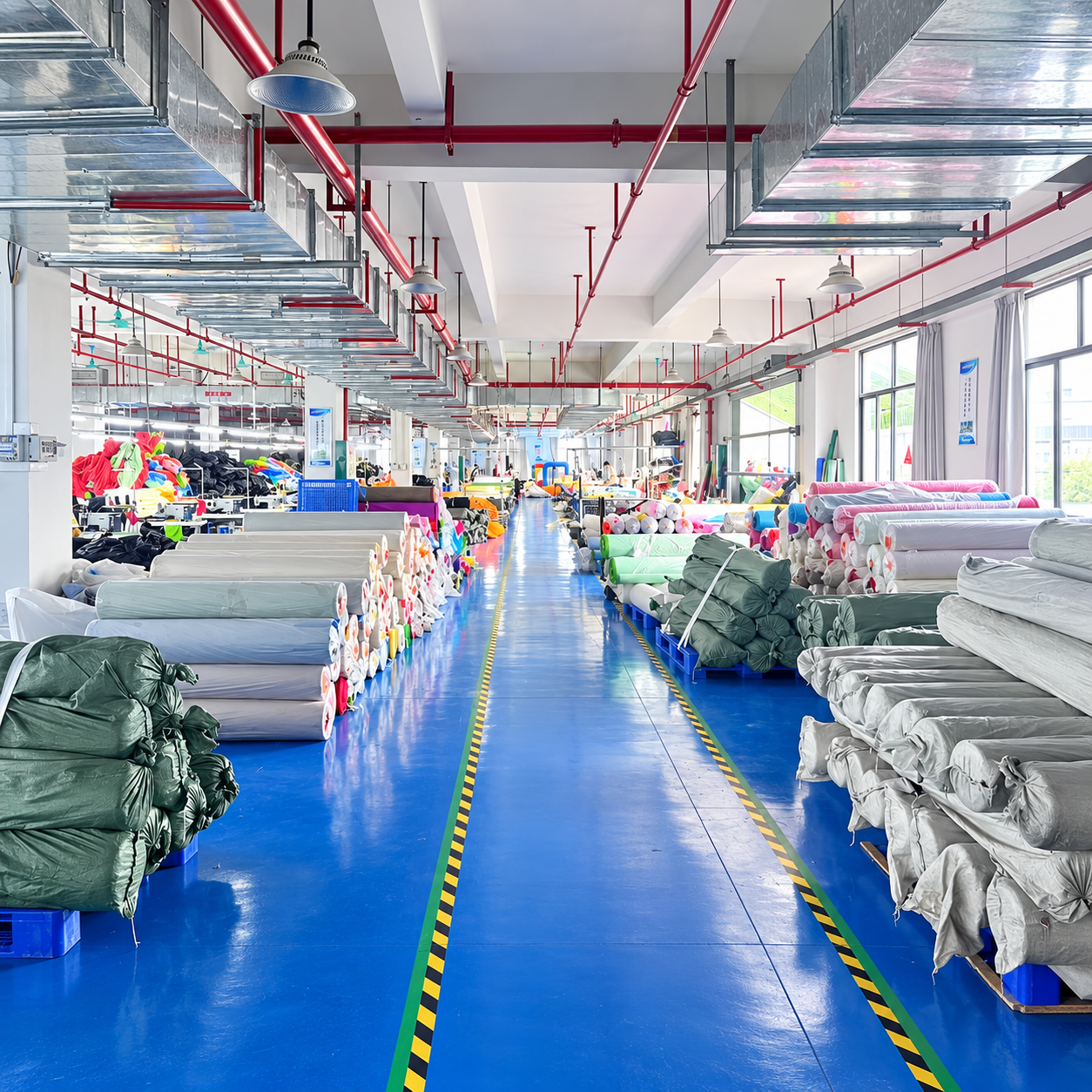
When a company, school, event organizer, sports team, or brand needs a custom mascot costume, one of the most important decisions is choosing who will actually make it.
Some suppliers only handle communication and outsource the production to another company. Others work directly from their own production team and factory.
Working directly with a custom mascot costume factory can make the entire process more efficient, more transparent, and easier to control.
For customers who need custom designs, small quantities, reliable quality, and international shipping, direct factory cooperation can offer several important advantages.
Direct Communication With the Production Team
One of the biggest advantages of working with a source factory is communication.
When customers send a mascot image, sketch, logo, reference photo, or character idea, the information can be passed directly to the people responsible for design and production.
This reduces unnecessary communication steps.
Instead of information passing through several different companies, the production team can understand details such as:
- Character proportions
- Colors
- Clothing
- Logos
- Facial expressions
- Accessories
- Performer height
- Performer weight
- Special performance requirements
Clearer communication helps reduce mistakes before production begins.
Custom Design Before Production
A professional custom mascot project should not begin with cutting fabric immediately.
The design needs to be confirmed first.
At our factory, customers can provide a reference image, logo, sketch, character design, or even a simple idea.
A design can then be prepared to help confirm the overall appearance before production.
This allows customers to review important details such as:
- Head shape
- Character proportions
- Color combinations
- Clothing style
- Logo placement
- Accessories
- General appearance
Making changes during the design stage is much easier than changing a finished mascot costume.
For this reason, we can provide initial design support before production.
Made According to the Performer
A mascot costume is not a standard garment.
The person wearing it matters.
Height, weight, body shape, and movement requirements can affect the final size and internal fit.
A costume designed for a 160 cm performer may not fit the same way on someone who is 185 cm tall.
This is why we normally ask customers for performer information before production.
Depending on the design, we may adjust:
- Body length
- Shoulder width
- Arm length
- Leg length
- Head position
- Shoe size
- Internal support
- Costume proportions
The goal is not only to make the costume look correct, but also to make it practical to wear.
Flexible Customization
Direct factory production allows more flexibility than simply choosing from a fixed catalog.
Customers can customize many parts of a mascot costume.
These may include:
- Character shape
- Fur or fabric colors
- Clothing
- Printed or embroidered logos
- Shoes
- Gloves
- Hats
- Wings
- Tails
- Accessories
- Size
- Internal ventilation
- Visibility areas
This is useful for brands and organizations that need a mascot to match an existing visual identity.
It is also useful for customers who only have an idea and need help developing it into a physical costume.
Small Quantity Orders
Not every customer needs dozens of mascot costumes.
Many schools, small businesses, local events, sports teams, and startup brands only need one costume.
As a custom mascot factory, we can support small custom orders, including single-piece projects depending on the design.
This gives customers more flexibility and makes custom mascot production accessible even for smaller projects.
Material Selection Based on the Design
Different mascot designs require different materials.
A short-haired animal mascot may need a completely different fabric from a long-haired character.
A large head may require lightweight foam.
A costume used outdoors may need different considerations from one used indoors.
Materials can include:
- Plush fabric
- Short-pile fur
- Long-pile fur
- Fleece
- Stretch fabric
- Mesh
- Foam
- EVA
- Plastic support materials
- Lining fabrics
The material is selected according to appearance, weight, durability, comfort, and movement requirements.
There is no single material suitable for every mascot.
Production Under One Workflow
Another advantage of working with a factory is that multiple production stages can be coordinated together.
A custom mascot costume may involve:
- Design confirmation
- Pattern development
- Material preparation
- Foam shaping
- Cutting
- Sewing
- Head construction
- Clothing production
- Shoe production
- Assembly
- Detail finishing
- Quality inspection
- Packaging
- Shipping
When these stages are coordinated under one production workflow, it is easier to maintain consistency.
Problems can also be found and corrected earlier.
Quality Control Before Shipping
A finished mascot costume should be checked before it leaves the factory.
Quality inspection may include checking:
- Overall appearance
- Color accuracy
- Seam strength
- Head shape
- Visibility
- Zippers and openings
- Gloves and shoes
- Accessories
- Logo placement
- Internal structure
- Costume completeness
The costume may also be worn and tested before packing.
This helps identify practical issues that may not be obvious when the costume is lying on a table.
Custom Mascots for Different Industries
Custom mascot costumes are used in many different industries.
Some common applications include:
Schools
School mascots are often used for sports games, campus events, graduations, and student activities.
Sports Teams
Teams use mascots to interact with fans, perform during games, and strengthen team identity.
Brands
Companies use mascot characters for promotions, store openings, exhibitions, product launches, and social media content.
Shopping Malls
Mascots can attract attention during holiday activities, promotions, and family events.
Events and Entertainment
Event companies may use mascots for parties, festivals, parades, performances, and themed activities.
Government and Public Organizations
Cities, tourism departments, public institutions, and community organizations may also use mascot characters for public campaigns and events.
Because each application is different, the costume should be designed according to how it will actually be used.
Support for OEM and ODM Projects
Some customers already have a finished character design and only need production.
Others need help developing the character before manufacturing.
A custom mascot factory can support both types of projects.
OEM projects usually begin with an existing design provided by the customer.
ODM projects may involve more design development, adjustment, or production suggestions.
This flexibility is useful for brands, agencies, distributors, event companies, and other business customers.
Worldwide Shipping
Custom mascot customers are not limited to one country.
Finished costumes can be packed and shipped internationally.
Shipping methods depend on destination, delivery time, package size, and customer requirements.
Because mascot costumes are relatively large but often lightweight, shipping cost is usually affected by both actual weight and volumetric weight.
For an accurate shipping quotation, customers normally need to provide their country, city, and postal code.
Why Factory Experience Matters
Mascot production is different from ordinary clothing production.
The factory needs experience with three-dimensional shapes, foam structures, oversized heads, large shoes, unusual fabrics, internal supports, and character proportions.
Small construction decisions can affect the final result.
For example, a head may look correct visually but feel unstable when worn.
A costume may fit well while standing but become restrictive during movement.
An experienced mascot factory understands that the final product needs to work both visually and practically.
From an Idea to a Finished Mascot
A custom mascot often begins with something very simple.
It may be:
- A logo
- A drawing
- A photo
- A cartoon character
- A brand concept
- A school symbol
- A sports team character
- A handwritten sketch
The job of the factory is to turn that reference into a wearable three-dimensional character.
That process requires design, pattern development, material selection, craftsmanship, fitting, and quality control.
The better these stages work together, the better the final mascot will be.
Conclusion
Working directly with a custom mascot costume factory gives customers more control over design, production, communication, and quality.
It also makes it easier to customize details, produce small quantities, adjust sizing, and manage special requirements.
For customers looking for a mascot for a school, brand, sports team, event, promotion, or organization, direct factory cooperation can simplify the entire process from the first idea to final delivery.
If you already have a mascot design, photo, sketch, logo, or idea, it can be used as the starting point for a custom project.