
ALL POSTS
When Do People Wear Mascot Costumes? A Guide to Holidays, Festivals, and Public Events
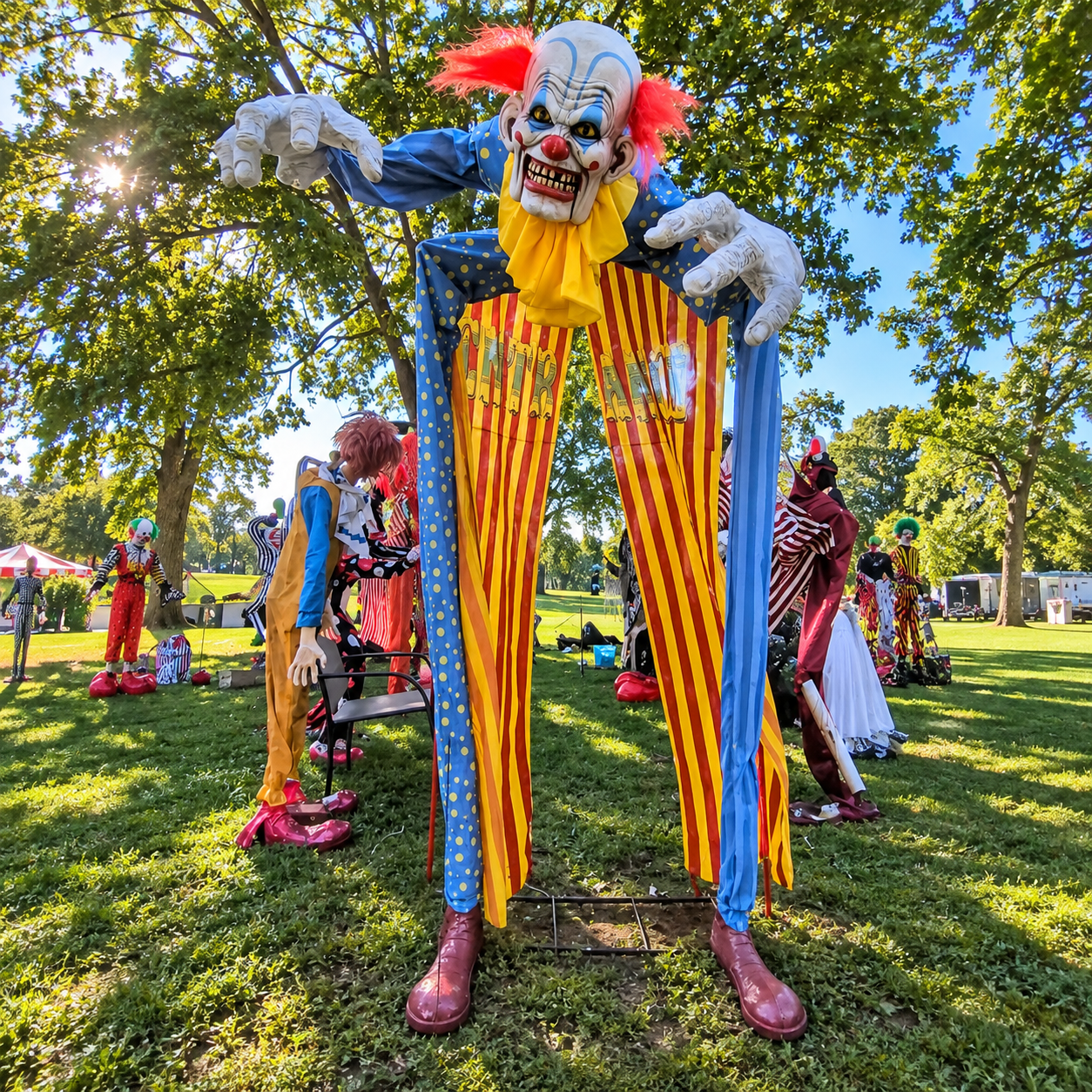
Mascot costumes are not only used by sports teams or schools. Around the world, character costumes appear at holidays, festivals, parades, community celebrations, shopping centers, brand promotions, and many other public events.
A good mascot gives people something they can immediately recognize, photograph, interact with, and remember. This is one reason mascots are especially effective during celebrations, when crowds are already looking for entertainment and memorable experiences.
In this article, we look at some of the most common holidays and events where mascot costumes are used, why they work so well, and how different events call for different mascot designs.
Why Mascot Costumes Work So Well at Festivals
Festivals are usually busy, colorful, and crowded. A normal sign or banner can easily disappear into the background, but a large character moving through the crowd is much harder to ignore.
Mascots can help:
- attract attention from a distance;
- encourage people to take photos;
- create interaction with children and families;
- reinforce a brand or organization;
- make an event feel more energetic;
- create content for social media;
- guide visitors toward booths or activity areas.
Unlike a static advertisement, a mascot can walk, wave, dance, pose, greet visitors, and react to the crowd.
That makes the character part of the event rather than simply part of the decoration.
Halloween
Halloween is one of the most obvious occasions for character costumes.
During October, shopping centers, theme parks, schools, restaurants, entertainment companies, haunted attractions, and community organizations often organize Halloween events.
Mascots used for Halloween may include:
- pumpkins;
- ghosts;
- monsters;
- vampires;
- witches;
- skeletons;
- bats;
- black cats;
- zombies;
- fantasy creatures.
Some organizations also create Halloween versions of their regular mascot.
For example, an existing animal mascot may wear a witch hat, cape, pumpkin accessory, or special Halloween clothing.
This allows the organization to keep its recognizable character while adapting it to the season.
For mascot manufacturers, Halloween designs can range from simple seasonal clothing changes to completely original character costumes.
Christmas and Holiday Events
Christmas is another major season for mascot appearances.
During November and December, mascots can often be seen at:
- Christmas markets;
- shopping malls;
- parades;
- school celebrations;
- company parties;
- winter festivals;
- charity events;
- retail promotions.
Popular characters include reindeer, snowmen, elves, polar bears, gingerbread characters, Christmas trees, and other winter-themed mascots.
Businesses may also dress their existing mascot in a Santa hat, scarf, winter coat, or holiday-themed uniform.
One advantage of Christmas mascot costumes is that they can often be reused every year.
For organizations that hold annual holiday events, a durable costume can become part of a long-term seasonal marketing program.
Easter
Easter events are especially popular with families and children.
The Easter Bunny is probably one of the most recognizable seasonal costume characters, but Easter events can also feature:
- chicks;
- rabbits;
- eggs;
- lambs;
- flowers;
- spring-themed animals.
Mascots frequently appear at Easter egg hunts, shopping centers, schools, parks, restaurants, and community celebrations.
Because many Easter activities involve young children, friendly proportions, soft materials, bright colors, and approachable facial expressions are especially important.
Lunar New Year
Lunar New Year celebrations are held across many parts of Asia and in communities around the world.
Traditional lion and dragon performances have their own specialized costume traditions, but modern festivals and commercial events may also use mascot characters.
Common themes can include:
- zodiac animals;
- dragons;
- lucky characters;
- cartoon animals;
- company mascots wearing traditional clothing.
Shopping centers, brands, restaurants, cultural organizations, and tourism events sometimes create special Lunar New Year versions of their mascots.
A mascot may wear red clothing, traditional accessories, or decorations associated with the holiday.
This is a good example of how one mascot character can be adapted to different cultural events without completely redesigning the character.
Carnival and Mardi Gras
Large carnival celebrations are known for color, costumes, music, movement, and performance.
Events such as Carnival in Brazil and Mardi Gras celebrations are particularly visual environments.
Traditional carnival costumes are different from standard commercial mascot costumes, but mascot-style characters can still appear in:
- parades;
- promotional events;
- entertainment zones;
- tourism campaigns;
- brand activations;
- family activities.
For this type of event, bright colors and exaggerated proportions often work particularly well.
However, because performers may spend long periods walking outdoors, costume weight and ventilation become especially important.
Thanksgiving Parades and Community Parades
Parades are another natural environment for mascot costumes.
In the United States, Thanksgiving celebrations are strongly associated with public parades, with the Macy’s Thanksgiving Day Parade being one of the best-known examples.
Not every parade uses wearable mascots, but character costumes are common at many local parades, community festivals, holiday celebrations, and promotional processions.
Mascots can walk alongside floats, greet spectators, pose for photographs, and represent organizations participating in the event.
Parade costumes need especially good:
- visibility;
- walking stability;
- ventilation;
- shoe construction;
- performer control.
A costume that looks good while standing still may not necessarily work well during a long parade.
Sports Games and Team Events
Sports are one of the most established uses of mascot costumes.
Professional teams, universities, schools, community clubs, and youth sports organizations use mascots to create team identity and entertain spectators.
Mascots may appear during:
- pre-game activities;
- player entrances;
- halftime entertainment;
- fan interaction;
- promotional events;
- school spirit days;
- championship celebrations.
Sports mascots usually need a greater range of movement than many promotional mascots.
They may need to run, dance, jump, wave, or perform simple routines.
For this reason, mobility is often just as important as appearance.
School Homecoming and Campus Events
Schools and universities use mascot costumes throughout the year.
Homecoming is one particularly important occasion, especially in the United States.
Mascots may participate in:
- pep rallies;
- football games;
- basketball games;
- graduation events;
- orientation days;
- school fairs;
- fundraising events;
- alumni celebrations.
A school mascot often becomes much more than a costume.
Over time, it can become a visual symbol recognized by students, parents, teachers, alumni, and the surrounding community.
Because school mascots may be used for many years, durability and replaceable components are important considerations.
Grand Openings
Mascots are also useful when opening a new store, restaurant, shopping center, entertainment venue, or business location.
A mascot standing outside a new location can quickly attract attention.
It can also encourage visitors to:
- stop;
- take photos;
- enter the store;
- share content online;
- interact with staff.
For businesses, a custom mascot can turn a normal grand opening into a more memorable event.
Some companies continue using the same character later for promotions, social media videos, exhibitions, and seasonal events.
Trade Shows and Exhibitions
Trade shows are highly competitive environments.
Hundreds of companies may be trying to attract the same visitors.
A mascot can help a booth stand out.
Instead of simply waiting for attendees to approach, a mascot can walk nearby, greet visitors, pose for photos, and direct people back to the booth.
Mascots used at exhibitions often represent:
- company logos;
- products;
- animals;
- cartoon characters;
- industry-related objects.
Product mascots are particularly effective because almost any object can be transformed into a character.
Food packaging, tools, appliances, vehicles, fruit, drinks, and even industrial products can become wearable mascots.
Shopping Mall Promotions
Shopping centers use mascots throughout the year.
Characters may appear during:
- holiday campaigns;
- children’s activities;
- new store openings;
- weekend entertainment;
- promotional sales;
- anniversary celebrations.
Because shoppers can interact directly with mascots, these characters often help create a more relaxed and entertaining atmosphere.
They are also extremely useful for photo areas.
A simple photograph with a mascot can encourage visitors to share the event on social media, creating additional exposure for the organizer.
Children’s Parties and Entertainment
Mascot costumes are also widely used by entertainment companies and party rental businesses.
Characters may appear at:
- birthday parties;
- family events;
- children’s festivals;
- school celebrations;
- restaurant events.
These costumes often prioritize friendly facial expressions and comfortable movement.
Professional party companies may own many different mascot costumes because customers regularly request different character styles.
For this reason, party rental companies can become repeat buyers of mascot costumes.
Charity and Community Events
Mascots can make serious organizations feel more approachable.
Hospitals, charities, fire departments, municipal organizations, nonprofit groups, and community programs sometimes use mascot characters during public events.
A mascot can help communicate with children in a less formal way.
For example, a safety campaign may use an animal mascot to teach children about road safety, health, recycling, or fire prevention.
The character becomes a recognizable messenger for the organization.
Theme Parks and Tourist Attractions
Theme parks naturally rely heavily on characters.
Tourist attractions, museums, zoos, resorts, and family entertainment centers can also use mascots.
A character may represent:
- a local animal;
- historical figure;
- attraction logo;
- fantasy character;
- regional symbol.
When visitors photograph themselves with the mascot, the character becomes part of their memory of the location.
This makes mascot costumes useful not only for entertainment but also for destination branding.
Company Anniversary Celebrations
Many companies organize events for their 10th, 20th, 50th, or even 100th anniversary.
A mascot can be created specifically for an anniversary, or an existing mascot can receive special anniversary clothing.
These characters may appear in:
- employee celebrations;
- exhibitions;
- customer events;
- social media campaigns;
- promotional videos.
Anniversary mascots can also become collectible characters used on merchandise, packaging, gifts, and digital media.
Seasonal Mascots vs. Permanent Mascots
Organizations generally use mascots in two different ways.
A permanent mascot represents the organization throughout the year.
Examples include:
- school mascots;
- sports mascots;
- company characters;
- tourism mascots.
A seasonal mascot is designed mainly for one holiday or event.
Examples include:
- Christmas characters;
- Halloween characters;
- Easter mascots.
Some organizations combine both strategies.
They keep one main mascot but create different clothing and accessories for Christmas, Halloween, sports events, or other celebrations.
This can be more economical than creating an entirely new mascot for every season.
Designing a Mascot for Multiple Events
If a mascot will be used throughout the year, it can be useful to design the costume with interchangeable elements.
These might include:
- removable hats;
- shirts;
- jackets;
- scarves;
- capes;
- sports jerseys;
- seasonal accessories.
For example, the same mascot could wear:
- a Santa hat at Christmas;
- a witch hat at Halloween;
- a team jersey at a sports event;
- formal clothing at a company anniversary.
This extends the useful life of the costume and gives the organization more flexibility.
Outdoor Events Need Different Planning
A mascot used indoors at a shopping mall has different requirements from one used in an outdoor parade.
Outdoor events may involve:
- direct sunlight;
- higher temperatures;
- wind;
- uneven ground;
- longer walking distances.
Designers therefore need to consider the actual environment in which the costume will be used.
For long outdoor performances, reducing unnecessary weight can make a major difference.
Good ventilation, visibility, footwear, internal support, and freedom of movement all become especially important.
Planning Ahead for Seasonal Events
Custom mascot costumes require time for design, confirmation, material preparation, production, inspection, and shipping.
Organizations planning costumes for Halloween, Christmas, school events, or major festivals should avoid ordering at the last minute.
Starting early gives more time to:
- adjust the artwork;
- confirm proportions;
- select fabrics;
- approve colors;
- test special details;
- arrange shipping.
This is particularly important before major holiday seasons, when both manufacturers and logistics companies may become busier.
Custom Mascots for Your Next Event
At our factory, we produce custom mascot costumes for brands, schools, sports teams, event companies, organizations, and entertainment businesses.
A mascot can be developed from:
- a logo;
- drawing;
- photograph;
- character artwork;
- product;
- simple idea.
Depending on the application, we can also discuss different materials, structures, clothing, accessories, sizing, and construction methods.
If the mascot will be used for a particular festival or event, it is useful to tell the manufacturer where, how, and how long the costume will normally be worn.
These details can influence the final design.
Final Thoughts
Mascot costumes can appear almost anywhere people gather to celebrate.
From Halloween and Christmas to sports games, school homecoming, parades, exhibitions, shopping centers, grand openings, and community festivals, mascots help turn ordinary activities into interactive experiences.
The most successful mascot is not simply the most complicated one.
It is the character that fits the event, communicates clearly with the audience, remains recognizable, and allows the performer to interact naturally.
For organizations planning several events each year, a well-designed custom mascot can become a long-term part of their identity rather than something used only once.