ALL POSTS
Professional Mascot Makers: Where Creativity Meets Craftsmanship
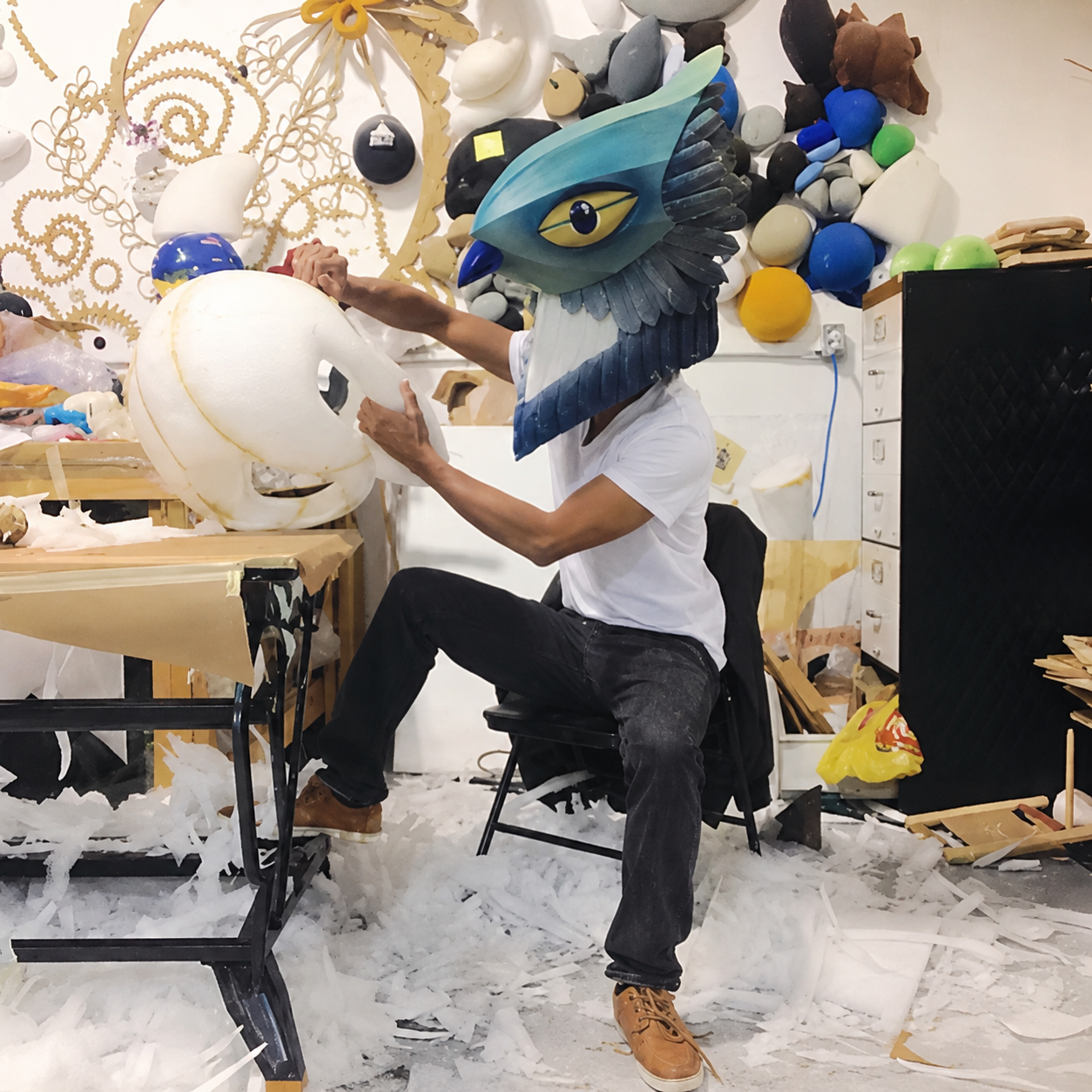
Creating a professional mascot is much more than sewing fabric together. A successful mascot combines creative design, structural engineering, sculpting, sewing, comfort, durability, and brand identity.
Behind every memorable character is a skilled team that understands how to transform a two-dimensional idea into a three-dimensional mascot that people can see, touch, photograph, and remember.
Experience Makes the Difference
Mascot production requires years of hands-on experience.
Every character presents different challenges. Some mascots need oversized heads, exaggerated facial features, large props, wings, horns, tails, or special accessories. Others need lightweight structures that allow performers to move, dance, and interact comfortably during long events.
An experienced mascot maker understands how to balance appearance with functionality.
A great mascot should not only look impressive. It should also be:
- Comfortable to wear
- Easy to move in
- Durable for repeated use
- Lightweight where possible
- Well ventilated
- Structurally stable
- Faithful to the original character design
These details are essential when creating a mascot for professional use.
A Powerful Combination of Design and Craftsmanship
The best mascot projects combine artistic creativity with practical manufacturing experience.
Before production begins, the character must be carefully evaluated.
The design team considers the overall proportions, head shape, facial expression, colors, materials, visibility, and movement requirements.
At the same time, the production team determines how each part should be constructed.
For example, a mascot head may require:
- Foam sculpting
- Internal support structures
- Mesh visibility panels
- Ventilation openings
- Fabric covering
- Hand-painted details
- Custom eyes
- Lightweight accessories
The final structure needs to maintain the visual style of the character while remaining practical for the performer.
Skilled Fabrication Brings the Character to Life
Fabrication is one of the most important stages of mascot production.
This is where sketches, drawings, and digital designs begin to become physical objects.
Experienced craftsmen work with different types of foam, fabrics, plastics, mesh, and supporting materials to build the character layer by layer.
For more complex mascots, many parts are sculpted by hand.
The head shape may be carved from foam. Facial features may be adjusted repeatedly to achieve the correct expression. Additional structures may be created for ears, horns, beaks, hair, armor, wings, or other special features.
Small changes can have a major impact on the final appearance.
That is why skilled handwork remains extremely important in custom mascot manufacturing.
Innovation in Mascot Design
Modern mascots are becoming increasingly creative and technically demanding.
Customers are no longer limited to simple animal characters.
Today, mascots can represent:
- Corporate brands
- Sports teams
- Schools
- Products
- Food and beverage brands
- Technology companies
- Events
- Games
- Entertainment characters
- Promotional campaigns
Some designs may require unusual body structures, mechanical-looking parts, sculpted armor, oversized accessories, or highly stylized facial features.
Professional mascot makers must constantly improve their techniques and explore new materials and production methods.
Innovation allows a simple concept to become a distinctive character with its own personality.
Functionality Is Just as Important as Appearance
A mascot may look perfect in a photo, but it still needs to perform in the real world.
The performer may need to walk, wave, dance, pose for photos, climb stairs, or interact with crowds.
This means mobility must be considered throughout the production process.
Important factors include:
- Head weight
- Body flexibility
- Arm movement
- Leg movement
- Visibility
- Ventilation
- Balance
- Internal padding
- Shoe stability
For mascots used at sports games, exhibitions, school events, or outdoor promotions, comfort becomes especially important.
A professional design should support both the character’s appearance and the performer’s experience.
Attention to Detail Creates Professional Results
Quality mascot manufacturing depends on details.
The shape of the eyes, the curve of the mouth, the direction of the fur, the size of the hands, and even the angle of the ears can change how the character feels.
During production, every area must be carefully checked.
The sewing team focuses on clean seams, accurate color matching, and strong construction.
The sculpting team focuses on proportion and expression.
The finishing team checks accessories, surfaces, symmetry, and overall appearance.
Before shipment, the mascot should also undergo a complete quality inspection.
Why Professional Mascot Manufacturing Matters
A mascot often becomes the public face of a company, team, school, or organization.
People may see the mascot at events, on social media, in promotional videos, at exhibitions, or in stores.
Because of this, the quality of the mascot directly influences how people perceive the brand.
A poorly made costume can look awkward and wear out quickly.
A professionally made mascot creates a much stronger impression.
It communicates personality, energy, and professionalism.
Built Around Your Character
Every mascot project should begin with the customer’s design and application needs.
You may already have:
- A logo
- A character illustration
- A 3D rendering
- A cartoon design
- A hand-drawn sketch
- Reference photos
These materials can be used as the starting point for custom production.
From there, the mascot design can be adjusted for real-world construction while keeping the original character recognizable.
The goal is not simply to manufacture a costume.
The goal is to create a character that represents your brand.
From Concept to Creation
Professional mascot manufacturing is a combination of creativity, experience, and skilled craftsmanship.
From design evaluation and foam sculpting to sewing, assembly, finishing, fitting, and final inspection, every stage contributes to the final quality.
Whether your mascot is for a sports team, school, company, event, promotion, or entertainment project, working with an experienced production team can help turn your idea into a practical and memorable character.
If you already have a mascot concept, drawing, logo, or reference image, send it to us.
We can help evaluate your design, recommend suitable materials and production methods, and provide a customized solution for your project.
Ready to bring your mascot idea to life? Contact us today to start your custom mascot project.