
ALL POSTS
How Weight Distribution Affects Mascot Costume Performance
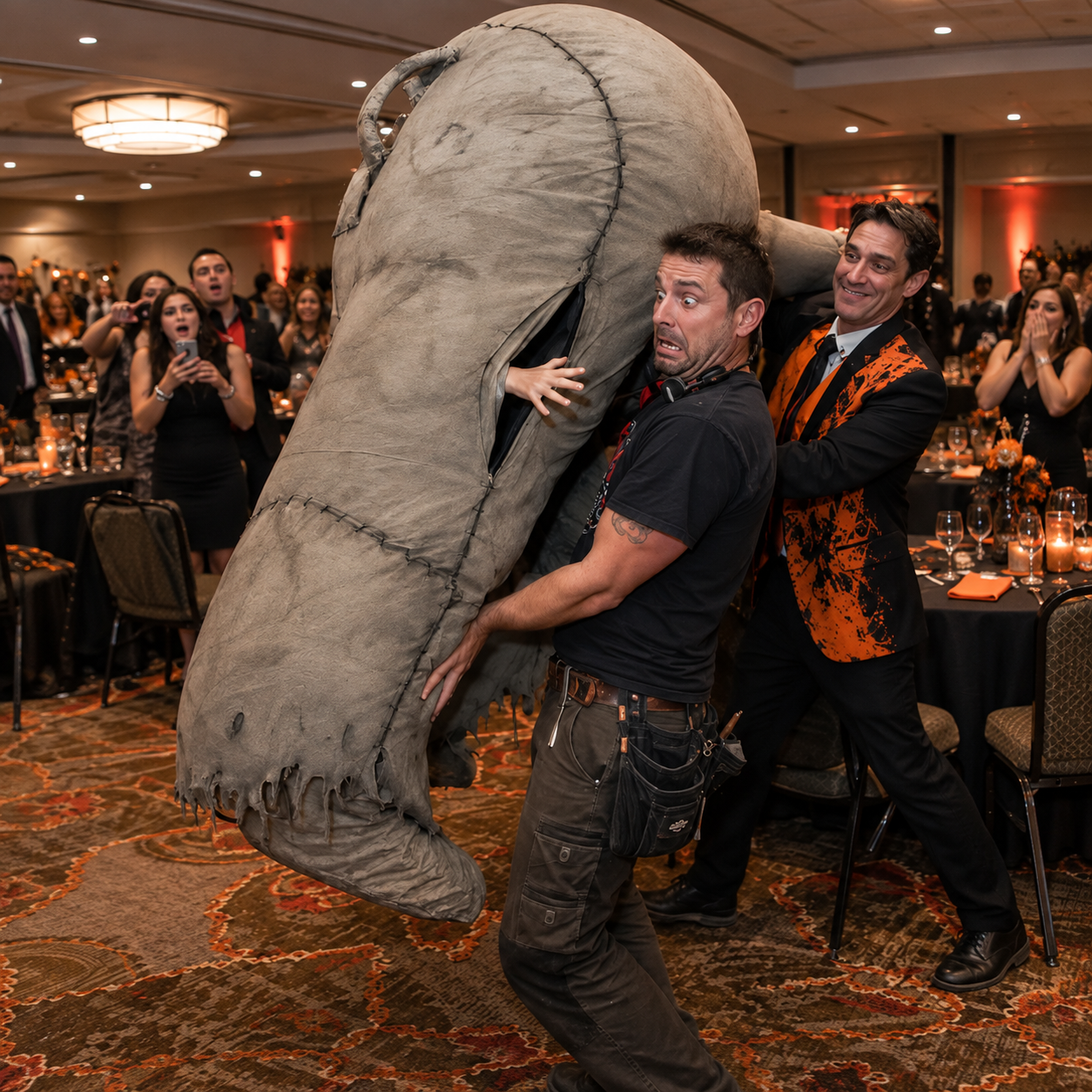
A mascot costume can look impressive from the outside, but one of the most important factors affecting real-world performance is something most people never see: weight distribution.
The total weight of a mascot costume matters, but where that weight is located matters even more.
A costume that weighs 10 kilograms but distributes that weight well may feel easier to wear than a lighter costume with too much weight concentrated on the head, shoulders, or feet.
For this reason, weight distribution is a key part of mascot costume engineering.
1. Total Weight Is Only Part of the Story
When people ask whether a mascot costume is “heavy,” they usually focus on the total number.
But two costumes with the same total weight can feel completely different.
For example, a costume with a heavy head and light body may put constant pressure on the neck and shoulders.
Another costume with the same total weight may spread the load through the shoulders, torso, hips, and internal support structure.
The second costume will usually feel more balanced and easier to control.
This is why overall weight alone does not fully describe comfort.
2. Head Weight Has the Greatest Effect
The mascot head is often the most demanding part of the costume.
Large heads create visual impact, but they also create leverage.
The farther the weight sits from the performer’s natural center of balance, the harder the neck and upper body need to work.
This is especially noticeable when the performer:
- Turns quickly
- Bends forward
- Dances
- Walks for long periods
- Performs on uneven ground
A well-designed mascot head should be as light as possible while still maintaining its shape.
Materials such as EVA foam, high-resilience foam, lightweight plastics, and hollow internal structures are often used to reduce unnecessary mass.
3. Center of Gravity
Every mascot costume has a center of gravity.
If that center is too high, the costume may feel unstable.
If it is too far forward, the performer may constantly feel pulled in one direction.
If it is too far backward, balance can also become difficult.
The most comfortable designs keep the costume’s center of gravity close to the performer’s natural body center.
This allows movements to feel more predictable.
It also reduces the amount of muscular effort needed to keep the costume upright.
4. Shoulder Load
Many mascot heads are partially supported by the shoulders.
This can be effective, but only if the pressure is distributed across a wide area.
Narrow support points can create uncomfortable pressure.
Better systems may use:
- Wide shoulder pads
- Foam cushions
- Adjustable straps
- Internal harnesses
- Support rings
These features help spread the load instead of placing it on one small area.
For longer performances, this difference becomes very noticeable.
5. Hip and Torso Support
For larger mascot costumes, the torso can also carry part of the weight.
In some designs, internal structures transfer weight toward the hips.
This is useful because the hips are better suited to supporting load than the neck.
A properly designed internal harness can reduce pressure on the shoulders and create a more stable feeling.
This approach is especially helpful for:
- Large-body mascots
- Product-shaped mascots
- Food mascots
- Oversized characters
- Costumes with large upper sections
6. Why Heavy Feet Can Be a Problem
Large mascot feet are often designed for visual proportion, but oversized footwear can create another kind of weight problem.
Heavy feet increase the amount of energy required for every step.
They can also make the performer more likely to:
- Drag the feet
- Trip
- Tire quickly
- Lose balance during turns
Lightweight foam, EVA, flexible soles, and internal footwear structures help reduce this problem.
The goal is to make the feet look large without making them unnecessarily heavy.
7. Arms and Accessories Also Affect Balance
Accessories may seem small compared with the head or body, but they can still affect overall balance.
Examples include:
- Large gloves
- Wings
- Tails
- Backpacks
- Hats
- Helmets
- Props
- Shoulder decorations
If one side of the costume is heavier than the other, the performer may compensate without realizing it.
Over time, this can cause fatigue.
Balanced placement and lightweight construction are important even for decorative elements.
8. Dynamic Weight Is Different From Static Weight
A costume may feel comfortable while standing still but become tiring once the performer starts moving.
This is because movement creates dynamic forces.
When a large mascot head turns quickly, the performer is not only moving the weight of the head. They are also controlling momentum.
The same applies to long tails, large arms, or heavy accessories.
Dynamic weight becomes more important during:
- Dancing
- Running
- Jumping
- Fast turning
- Sports performances
This is why performance testing should include movement, not just standing.
9. Weight Distribution and Performer Size
The same mascot costume may feel very different on different performers.
A taller or stronger performer may handle certain loads more easily.
A smaller performer may feel more pressure from the same structure.
Because of this, costume dimensions should consider:
- Performer height
- Shoulder width
- Head position
- Torso length
- Foot size
Adjustable internal systems can help the same costume fit more than one person.
However, the wider the performer size range, the harder it becomes to maintain ideal balance for everyone.
10. Lightweight Does Not Always Mean Better
Reducing weight is usually helpful, but extremely lightweight construction can also create problems.
If the structure becomes too soft, the costume may lose shape.
If materials are too thin, durability may decrease.
If support components are removed, the costume may become unstable.
The goal is not simply to make the costume as light as possible.
The goal is to achieve the correct balance between:
- Weight
- Strength
- Shape
- Stability
- Comfort
- Durability
11. Why Testing Matters
Theoretical design is important, but real testing is essential.
A costume should be tested while the performer:
- Walks
- Turns
- Raises the arms
- Bends
- Climbs small steps
- Stands for extended periods
This helps identify pressure points or balance problems that may not be visible during production.
Small adjustments to padding, straps, or internal support positions can significantly improve comfort.
Conclusion
Mascot costume performance depends on more than appearance and total weight.
The distribution of that weight affects:
- Balance
- Comfort
- Stability
- Movement
- Fatigue
- Safety
- Performance time
A good mascot costume does not simply feel “light.”
It feels balanced.
When the weight is positioned correctly and supported by the right internal structure, the performer can move more naturally, stay comfortable longer, and use less energy during the performance.
For practical mascot costume design, weight distribution is one of the most important structural details to get right.