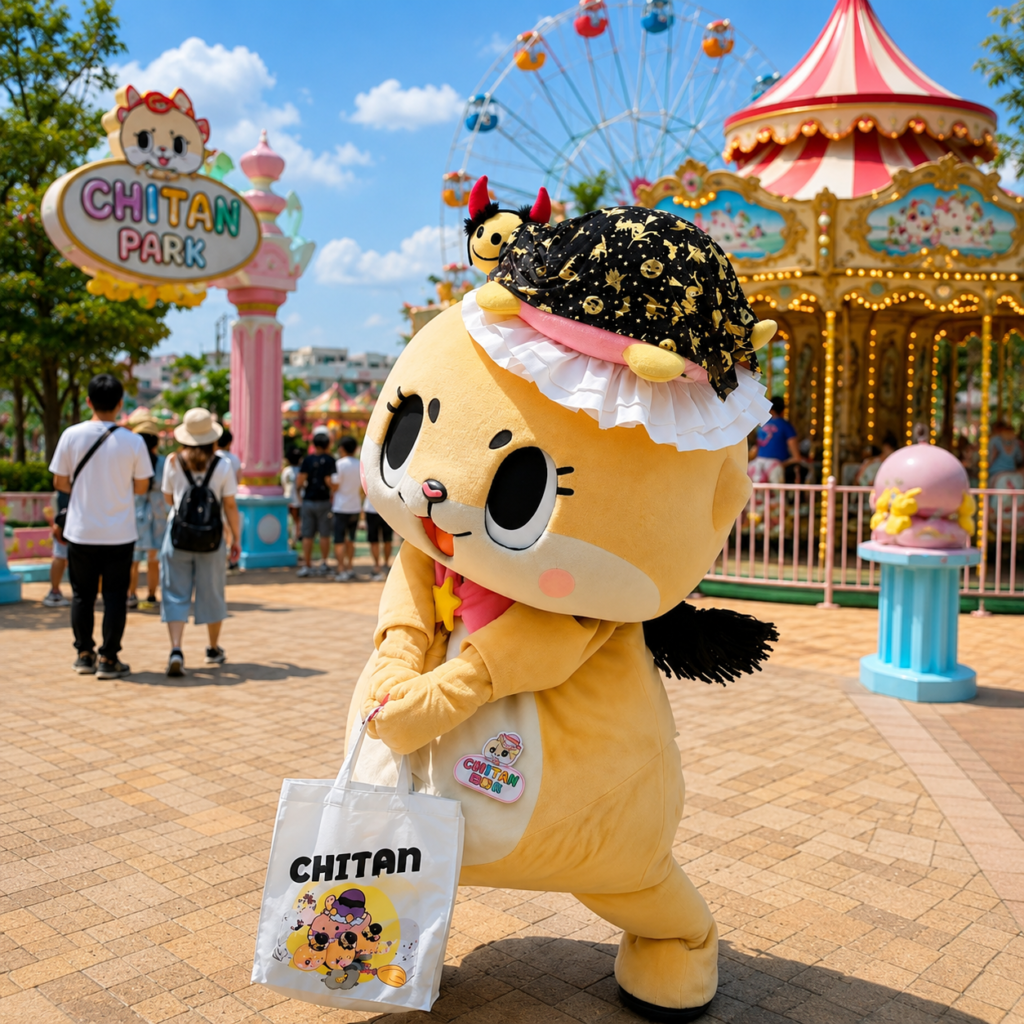
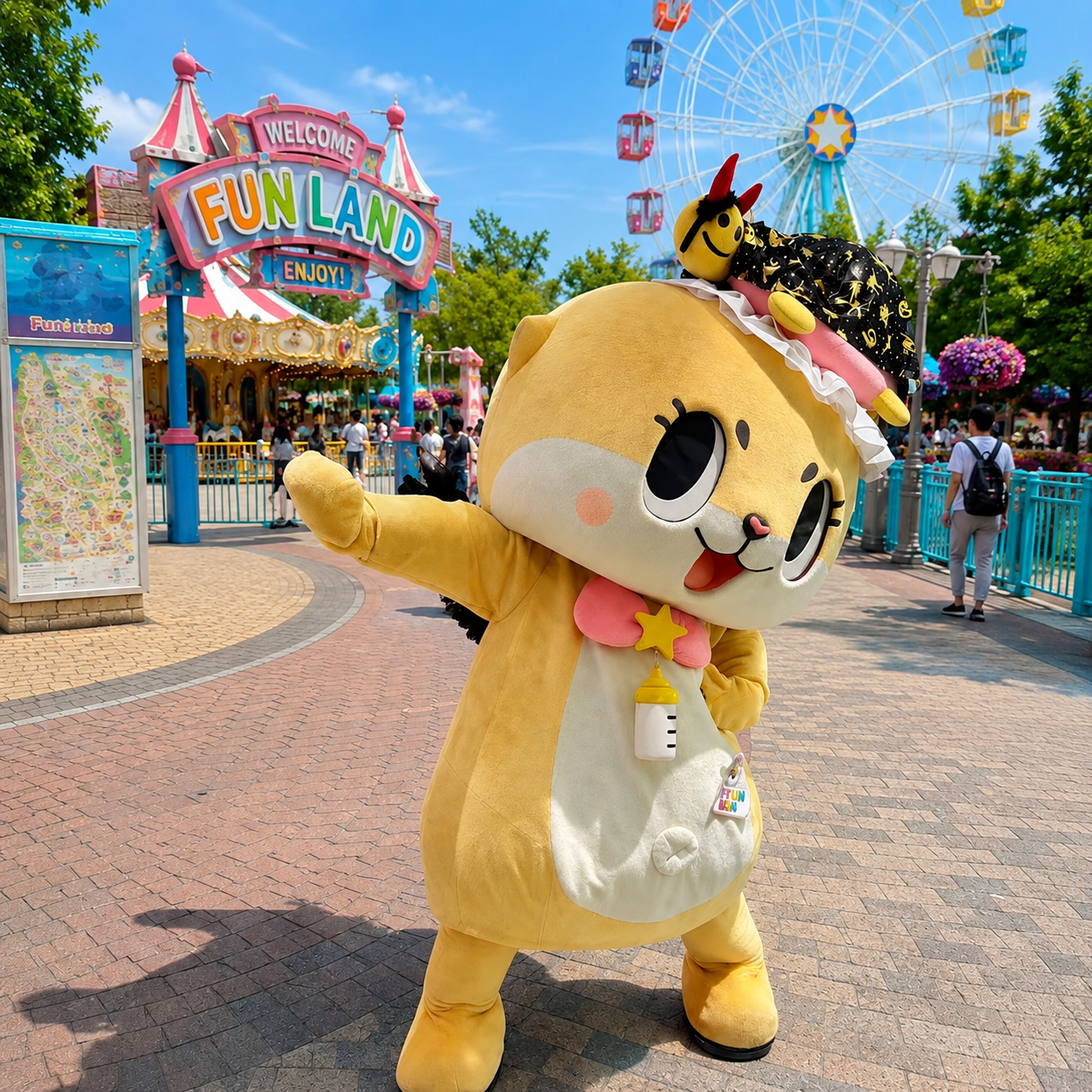
A custom mascot costume can become one of the most recognizable parts of a brand.
Whether it is used for a school, sports team, company, exhibition, shopping mall, festival, or promotional campaign, the right mascot can help attract attention, encourage interaction, and create a stronger connection with the audience.
However, choosing a custom mascot costume involves more than simply selecting a character that looks good.
Design, materials, size, comfort, visibility, movement, durability, and the intended use of the mascot all need to be considered before production begins.
In this guide, we will explain some of the most important factors to consider when choosing a custom mascot costume.
1. Start With the Purpose of Your Mascot
Before choosing the design, it is important to understand where and how the mascot will be used.
A mascot designed for a school football game may have different requirements from one used at a trade show or shopping mall.
For example, sports mascots usually need good mobility because performers may need to run, dance, wave, or interact with crowds.
Mascots used at exhibitions or promotional events may focus more on visual impact, brand recognition, and photo opportunities.
Understanding the purpose of the mascot helps determine the right structure, materials, size, and design.
2. Make Sure the Design Represents Your Brand
A good mascot should be easy to recognize and closely connected to your brand identity.
The mascot may be based on a company logo, animal, product, person, school symbol, sports character, or completely original concept.
Important design elements may include brand colors, logos, clothing, facial expressions, accessories, and character proportions.
For example, a sports team may prefer a strong and energetic character, while a children’s brand may choose a softer and friendlier appearance.
The goal is to create a mascot that audiences can quickly associate with your organization.
3. Choose the Right Mascot Structure
Different mascot designs require different construction methods.
High-elastic foam is often used for larger, rounded, or softer character shapes because it is lightweight and flexible.
EVA materials can be useful for mascot heads and areas that require stronger shapes and clearer contours.
Foam carving can also be used for more detailed three-dimensional structures, especially when the character has a complex face or unique product shape.
The correct structure helps the mascot maintain its appearance while still remaining practical for performers.
4. Consider Performer Comfort
Appearance is important, but comfort should also be considered when choosing a professional mascot costume.
A performer may need to wear the mascot for long periods during games, exhibitions, festivals, or promotional events.
A well-designed costume should provide enough internal space and allow the performer to move comfortably.
Weight distribution, visibility, ventilation, head support, and footwear are all important factors.
Some mascot heads can also include built-in fans to improve airflow and make the costume more comfortable during longer events.
5. Provide the Correct Performer Size
Custom mascot costumes can usually be adjusted according to the performer’s body size.
Before production, suppliers may ask for information such as performer height, weight, chest size, waist size, and shoe size.
Providing accurate measurements can help improve both appearance and comfort.
If several people will wear the same mascot, it is also important to tell the supplier.
The design can then be adjusted to accommodate a reasonable range of performer heights.
6. Pay Attention to Visibility
The performer must be able to see clearly enough to move safely.
Depending on the mascot design, visibility may be provided through the eyes, mouth, neck area, or hidden mesh sections.
The viewing position should be considered during the design stage.
A mascot may look impressive from the outside, but if the performer cannot see comfortably, it can be difficult to use during real events.
Good mascot design should balance appearance with practical performance.
7. Select Materials Based on the Application
Different materials can create different textures, shapes, and performance characteristics.
Plush fabrics are commonly used for animal characters because they create a soft and friendly appearance.
Fleece, polyester fabrics, mesh, artificial fur, EVA, and foam may also be used depending on the design.
For mascots that will be used frequently, durability is especially important.
The materials should be selected according to the expected environment, frequency of use, visual appearance, and maintenance requirements.
8. Think About Movement and Performance
Some mascots only need to stand, wave, and take photos.
Others may need to dance, run, perform on stage, interact with children, or participate in sports events.
If the mascot will be very active, the design should allow enough movement in the arms, legs, head, and body.
Large accessories or oversized structures may look impressive but can sometimes limit movement.
It is important to find the right balance between visual impact and performer flexibility.
9. Check the Details Before Production
Before production begins, customers should confirm all important design details.
This may include character colors, logo placement, accessories, clothing, facial expressions, materials, size, performer height, and other special requirements.
Reference images, sketches, brand guidelines, and color codes can help the manufacturer better understand the customer’s expectations.
Clear communication before production can reduce unnecessary revisions later.
10. Ask for Photos and Videos Before Shipping
Before shipment, it is useful to review photos or videos of the completed mascot costume.
This allows customers to check the overall appearance, colors, proportions, accessories, and final details.
If adjustments are required, they can often be discussed before the mascot is packed and shipped.
For international customers, photo and video approval is especially useful because the entire customization process can be completed remotely.
What Types of Custom Mascots Can Be Made?
Custom mascot costumes can be created for many different applications.
Popular categories include animal mascots, school mascots, sports mascots, human characters, product mascots, brand mascots, food characters, company mascots, and promotional characters.
A mascot can be created from an existing design or developed from a simple idea, logo, sketch, or reference image.
How Much Does a Custom Mascot Costume Cost?
The price of a custom mascot costume depends on the complexity of the design, materials, size, accessories, construction method, and craftsmanship required.
Simple designs may cost less, while highly detailed or complex mascots generally require more production time and specialized craftsmanship.
For an accurate quotation, customers should provide a design, sketch, logo, or reference image whenever possible.
Choosing a Reliable Custom Mascot Supplier
A reliable supplier should be able to provide clear communication throughout the customization process.
Design confirmation, material selection, production updates, quality inspection, photo and video approval, packing, and international shipping are all important parts of the service.
Customers should also look at previous mascot projects and production experience before placing an order.
Create a Mascot That People Remember
The right mascot costume should do more than look good.
It should represent your brand, be comfortable for the performer, work well during real events, and create memorable interactions with your audience.
By carefully considering the design, materials, structure, size, comfort, visibility, and intended use, you can create a mascot that becomes a valuable part of your brand identity.
MascotHub provides custom mascot costume solutions for brands, schools, sports teams, events, and promotional campaigns.