
ALL POSTS
How Fastening Systems and Access Openings Affect Mascot Costume Fit, Maintenance, and Performance
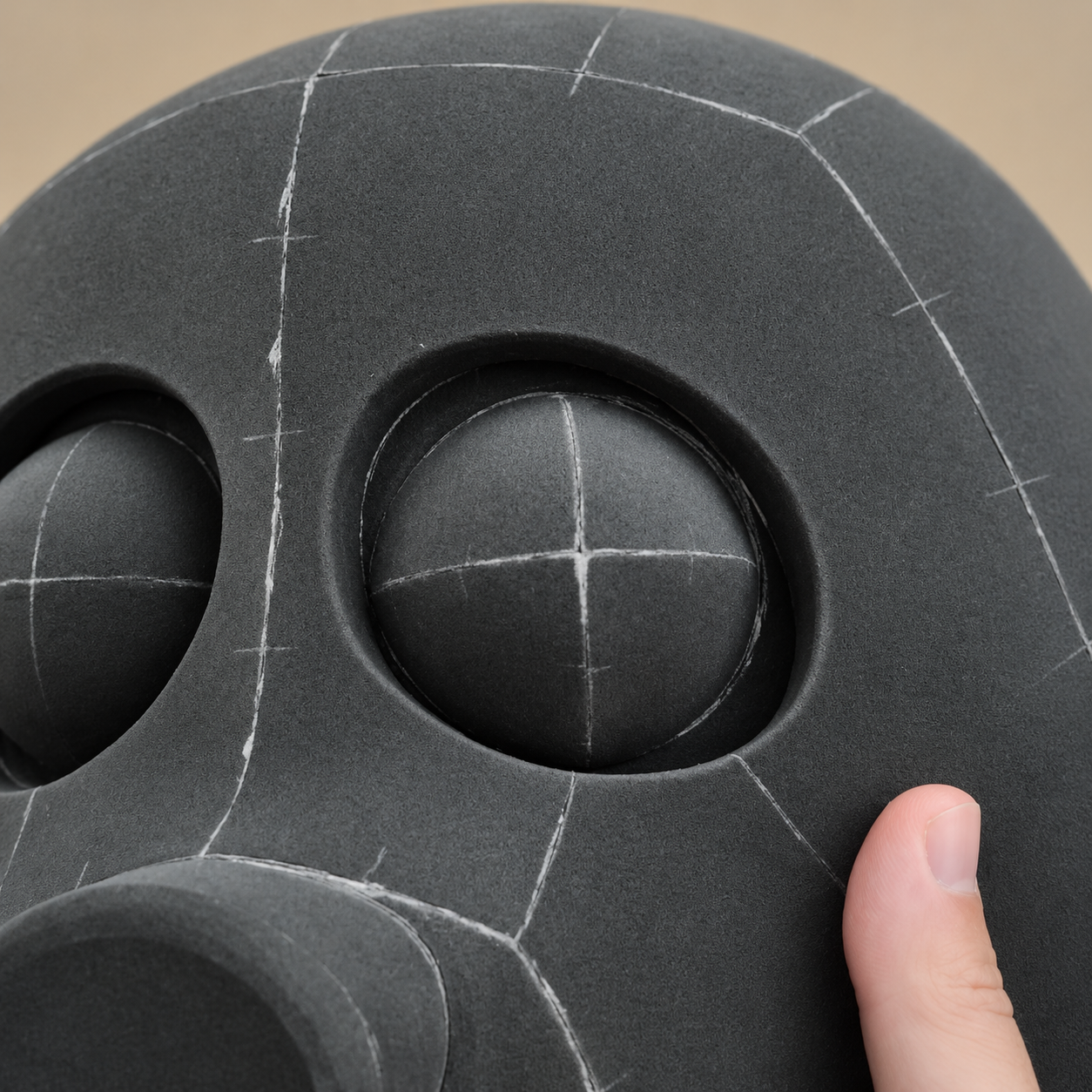
A custom mascot costume may look simple from the outside, but the way different parts are opened, closed, connected, and secured has a major impact on how the costume performs in real use.
Zippers, Velcro, elastic straps, buckles, snaps, magnetic closures, and hidden access openings are not only construction details. They affect how quickly a performer can put the costume on, how securely each part stays in place, how easy the costume is to clean, and how well the exterior maintains a smooth appearance.
A good mascot costume fastening system should remain secure during movement while still allowing fast dressing, easy maintenance, and convenient repair.
1. Why Fastening Systems Matter
Mascot costumes are repeatedly worn, removed, transported, cleaned, and adjusted.
Every opening in the costume becomes a functional stress point.
If a closure is poorly positioned or too weak, common problems may include:
- costume parts opening during performance
- visible gaps between body sections
- uneven fit
- difficult dressing and removal
- damaged fabric around the closure
- uncomfortable pressure on the performer
- complicated cleaning and maintenance
For this reason, fastening design should be considered during the structural design stage rather than added at the end.
2. Zippers for Main Access Openings
Zippers are commonly used for the main body opening of mascot costumes.
They can provide a clean and secure closure while allowing the performer to enter and exit relatively quickly.
However, zipper placement is important.
A zipper placed directly in a highly visible area may reduce the visual quality of the costume. It may also experience more bending and pulling during movement.
Common locations include:
- center back
- side seam
- under clothing layers
- hidden body panels
For furry costumes, the surrounding pile should be carefully managed so fibers do not become trapped in the zipper teeth.
A protective inner flap can also reduce direct contact between the zipper and the performer.
3. Hidden Zippers and Visual Appearance
For many mascot designs, the goal is to make the closure almost invisible.
This can be achieved by placing the zipper underneath:
- fur
- overlapping fabric
- costume clothing
- decorative panels
- natural character seams
After sewing, the surrounding fur may be brushed over the zipper line.
This helps maintain a continuous surface and reduces the appearance of a visible construction opening.
The cleaner the closure integration, the more professional the finished mascot usually looks.
4. Velcro for Adjustable Connections
Velcro is useful in areas where adjustability and quick access are important.
It is often used for:
- gloves
- shoe covers
- removable clothing
- internal padding
- head attachments
- accessory mounting
Its main advantage is speed.
A performer can usually secure or remove Velcro connections without tools.
However, exposed Velcro may catch fur, threads, or costume lining.
For this reason, the hook side should normally be positioned where it does not contact delicate fabric unnecessarily.
5. Elastic Straps for Flexible Fit
Elastic straps are often used inside mascot costumes to help secure parts without restricting movement.
They may be used around:
- shoulders
- waist
- chin
- feet
- wrists
- internal head support
Elastic allows limited movement while maintaining tension.
This is especially useful when the costume must fit performers with slightly different body sizes.
However, elastic should not be excessively tight.
Too much tension can create pressure points and reduce comfort during long performances.
6. Buckles and Adjustable Straps
Buckles are useful when a stronger and more adjustable connection is required.
They may appear inside mascot heads, body structures, or support systems.
Adjustable straps can help control:
- head position
- shoulder support
- waist fit
- internal harness tension
- accessory placement
The advantage of a buckle system is that it can be adjusted repeatedly without permanently changing the costume.
This makes it useful for shared mascot costumes used by multiple performers.
7. Snaps and Magnetic Closures
Snaps can be useful for small costume panels, decorative pieces, or removable accessories.
Magnetic closures can also provide fast alignment and a clean exterior appearance.
However, these systems should be used carefully.
They are generally more suitable for lightweight components rather than areas exposed to strong pulling forces.
For high-stress parts, a zipper, buckle, or reinforced Velcro system may be more reliable.
8. Designing Access Openings for Easy Dressing
A mascot costume should not only fit correctly after it is worn.
The performer also needs to enter and exit the costume safely and efficiently.
An opening that is too small may require excessive pulling and bending.
This can damage the costume over time.
A well-designed access opening should provide enough space for:
- shoulders
- torso
- hips
- internal padding
- cooling equipment
- communication devices if used
The opening should also be positioned so another person can assist the performer when necessary.
9. Separate Costume Parts Can Improve Usability
Many mascot costumes are easier to use when divided into separate components.
For example:
- head
- body
- gloves
- shoes
- clothing
- accessories
This makes dressing easier and reduces the amount of stress placed on one large opening.
It also allows individual parts to be cleaned or repaired separately.
For large or complex mascot costumes, modular construction can significantly improve long-term usability.
10. Fastening Systems Affect Movement
Closures must remain secure while the performer walks, waves, dances, bends, or interacts with people.
A fastening point that works while standing still may fail when the costume moves repeatedly.
Therefore, costume makers should test closures under realistic movement conditions.
Important movements may include:
- raising both arms
- bending forward
- turning the torso
- walking quickly
- sitting
- dancing
- jumping lightly
If a closure opens or shifts during these movements, the connection may need reinforcement or repositioning.
11. Preventing Visible Gaps Between Sections
Mascot costumes often contain separate parts that meet at the neck, wrists, ankles, or waist.
If these sections are not properly overlapped, gaps may appear during movement.
This can expose:
- the performer
- internal lining
- support straps
- unfinished construction areas
Overlap zones can help maintain visual continuity.
For example, the body fabric may extend underneath the mascot head, or the glove may extend underneath the sleeve.
Proper overlap helps the character remain visually complete even during large movements.
12. Access Openings and Ventilation
Closures can also influence airflow.
An opening that is completely sealed may reduce unwanted gaps, but it can also limit heat escape.
In some designs, hidden mesh areas or ventilation zones can be positioned near access openings.
This allows the costume to maintain a clean exterior while improving internal airflow.
Ventilation should be considered together with closure placement, especially in thick foam or plush costumes.
13. Fastening Systems and Cleaning
Cleaning becomes much easier when removable parts can be separated.
For example, removable:
- padding
- liners
- clothing
- gloves
- shoe covers
- accessories
can often be cleaned more safely than washing the entire costume as one piece.
A well-designed fastening system allows these components to be removed without damaging the main structure.
This is especially important for costumes used frequently at schools, theme events, sports venues, or promotional activities.
14. Repair and Replacement
Fastening systems are wear components.
After repeated use, zippers, Velcro, elastic, and buckles may eventually require replacement.
Good construction should allow these parts to be repaired without rebuilding a large section of the costume.
Reinforced attachment areas can help extend service life.
For example, Velcro attached only to thin fabric may tear away over time.
Adding reinforcement fabric underneath the attachment area helps distribute pulling force more evenly.
15. Closure Placement Should Follow the Character Design
Technical requirements should always be balanced with appearance.
A zipper may be structurally convenient in one location but visually distracting.
For this reason, closure placement should follow the natural design of the character whenever possible.
Useful hiding locations may include:
- clothing edges
- fur direction changes
- color boundaries
- seams
- decorative lines
- accessories
This allows the fastening system to remain functional without interrupting the character’s visual identity.
16. Testing Before Final Delivery
Before a mascot costume is completed, all closures should be tested repeatedly.
Testing should include:
- opening and closing several times
- dressing and undressing
- movement tests
- pulling tests
- alignment checks
- visual inspection
- comfort checks
The goal is to make sure the closure is secure but not difficult to operate.
A fastening system that is technically strong but difficult for the performer to use may still create problems during real events.
Conclusion
Fastening systems and access openings are an important part of mascot costume engineering.
Zippers, Velcro, elastic straps, buckles, snaps, and other connection methods all influence fit, comfort, appearance, maintenance, and durability.
A well-designed closure system should be secure during movement, easy to operate, visually discreet, and simple to maintain.
When fastening systems are planned together with structure, movement, ventilation, and surface finishing, the finished mascot costume becomes easier to wear, easier to maintain, and more reliable during repeated performances.