ALL POSTS
Behind Every Great Mascot: The Craft, Creativity, and Expertise That Bring Characters to Life
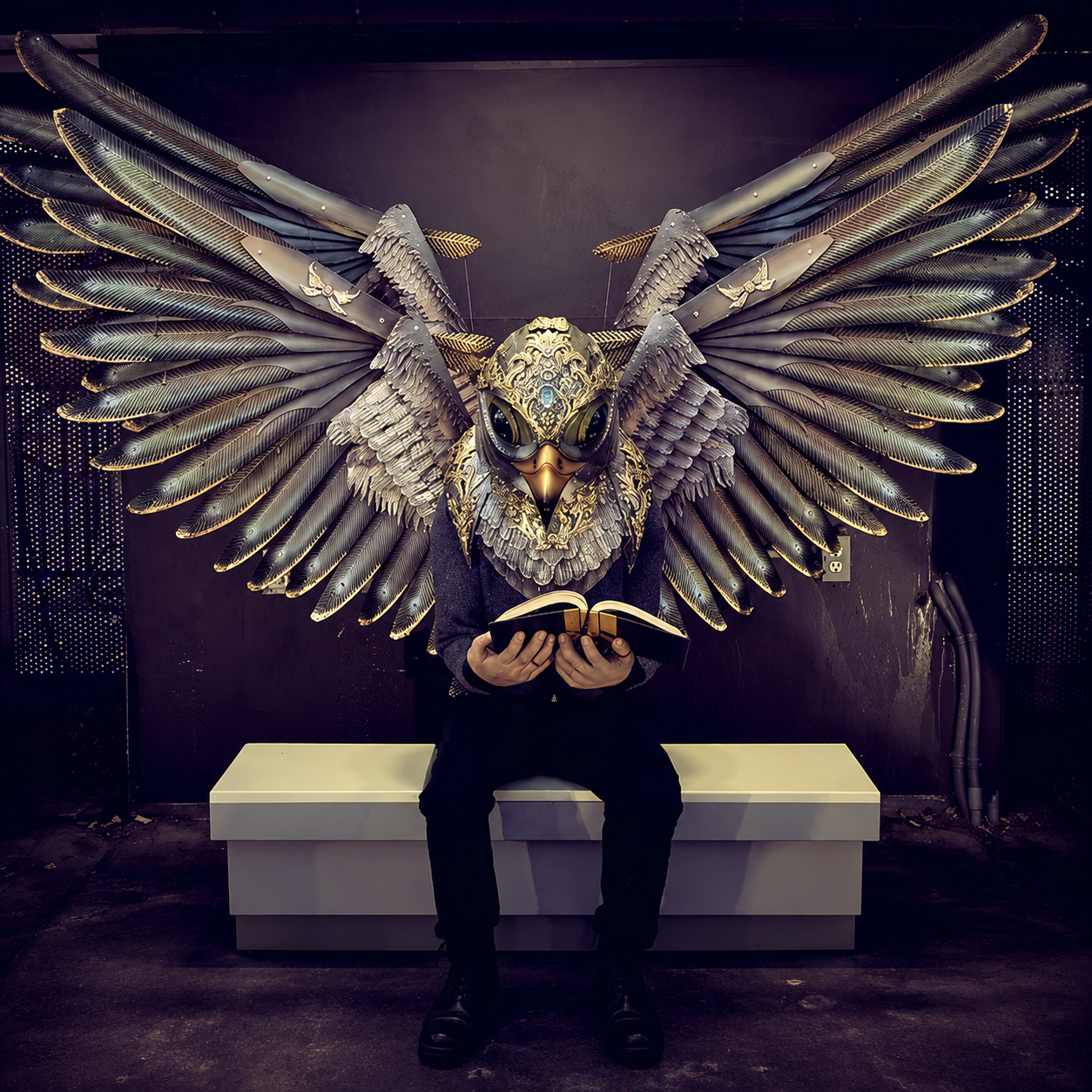
A great mascot is more than just a costume. It is a character, a brand ambassador, and a memorable visual experience.
Behind every successful mascot is a combination of creative design, professional craftsmanship, practical engineering, and careful attention to detail. From the first sketch to the final fitting, each stage plays an important role in transforming an idea into a character that can connect with audiences in the real world.
Where Art Meets Engineering
Mascot creation sits at the intersection of art and functionality.
A mascot needs to look impressive from a distance, but it must also work properly when worn by a performer. Proportion, visibility, ventilation, movement, weight distribution, and durability all need to be considered during development.
This is why professional mascot production requires more than basic sewing skills. It involves sculpture, pattern making, material selection, structural design, costume construction, and repeated testing.
The goal is simple: create a mascot that looks great, feels comfortable, and performs reliably.
From Concept to Three-Dimensional Character
Every custom mascot begins with an idea.
It may start as a company logo, a cartoon drawing, a sports team character, a product mascot, or even a simple hand-drawn sketch.
Our role is to translate that concept into a three-dimensional form while preserving the most recognizable features of the original design.
During this stage, we focus on:
- Character proportions
- Head shape and facial expression
- Color matching
- Costume structure
- Performer comfort
- Brand consistency
- Movement requirements
- Application scenarios
For highly customized projects, sculpting and prototyping are especially important.
Large mascot heads, wings, horns, helmets, or complex body structures may require hand-carved foam models or custom internal support systems before fabric and surface details are added.
Professional Sculpting Makes the Difference
Sculpting is one of the most important stages in mascot production.
This is where a flat character begins to gain real volume, personality, and presence.
Foam can be shaped by hand to create heads, facial features, beaks, noses, ears, and other three-dimensional elements. For larger display pieces or complex mascot structures, the sculpting stage also helps determine balance and overall proportions.
Experienced craftsmen understand that even a small change in shape can dramatically affect the final appearance.
The eyes may need to move slightly higher.
The cheeks may need more volume.
The mouth opening may need to be adjusted for better visibility.
The head may need to be lighter for long-term wear.
These details are what separate a basic costume from a professionally made mascot.
Experience Matters in Custom Mascot Manufacturing
Every mascot project presents different challenges.
A school mascot may need to be lightweight and easy to wear for long events.
A sports mascot needs durability and freedom of movement.
A corporate mascot may require highly accurate brand colors and a polished appearance for exhibitions and promotional campaigns.
A theme park or performance mascot may need stronger internal structures and more advanced construction.
Experience helps manufacturers identify these requirements before problems appear.
It also helps balance creativity with practical use.
A visually impressive mascot is important, but it must also be wearable, safe, easy to maintain, and suitable for repeated use.
The Importance of Skilled Craftsmanship
Once the structure is complete, skilled stitching and assembly begin.
Different parts of the mascot may use different materials, including:
- Plush fabric
- Fleece
- Short-pile fur
- Long-pile fur
- Lycra
- Foam
- EVA
- Mesh
- Felt
- Synthetic leather
- Lightweight plastics
Each material behaves differently.
Fabric direction, stretch, seam placement, thickness, and surface texture all influence the final result.
Experienced sewing technicians carefully assemble the costume to maintain clean lines while allowing enough flexibility for movement.
Details such as claws, gloves, shoes, tails, accessories, embroidery, and printed logos are then added according to the character design.
A Great Mascot Should Look Good From Every Angle
Mascots are often photographed, filmed, and viewed from all directions.
That means quality cannot be limited to the front.
The back, sides, seams, accessories, and transitions between different materials also need careful finishing.
Before delivery, the mascot should be inspected for:
- Symmetry
- Color consistency
- Secure stitching
- Surface cleanliness
- Comfortable fit
- Visibility
- Ventilation
- Mobility
- Structural stability
- Overall appearance
Final adjustments are made where necessary to ensure the finished character matches the intended design as closely as possible.
More Than a Costume — A Brand Experience
A professionally designed mascot can become one of the most recognizable assets of a brand.
Mascots are widely used for:
- Sports teams
- Schools and universities
- Corporate promotions
- Retail stores
- Exhibitions and trade shows
- Theme parks
- Festivals
- Restaurants
- Product launches
- Social media content
- Community events
- Brand marketing campaigns
Unlike a static logo, a mascot can interact directly with customers.
It can pose for photos, appear in videos, participate in events, and create emotional connections with audiences.
That is why mascot quality matters.
When a mascot looks professional, the brand behind it also appears more professional.
Every Character Deserves Careful Attention
There is no single production method that works for every mascot.
Some characters require simple soft-body construction. Others need large sculpted heads, complex armor, mechanical-looking wings, oversized props, or specially engineered structures.
The best results come from understanding the purpose of the mascot before production begins.
Who will wear it?
Where will it be used?
How long will it be worn?
Does it need to travel frequently?
Does it need to perform or dance?
Are there special accessories or removable parts?
These questions help guide the design and construction process.
Bringing Your Mascot Idea to Life
Creating a custom mascot is a collaborative process.
A good manufacturing partner should help turn your idea into a practical, wearable, and visually impressive character.
From concept development and sculpting to sewing, finishing, fitting, inspection, and shipping, every step contributes to the final result.
Whether you are creating a mascot for a brand, school, event, sports team, business, or promotional campaign, professional craftsmanship helps ensure your character is ready to make an impact.
If you already have a mascot design, logo, sketch, or reference image, send it to us.
We can help you evaluate the design, recommend suitable materials and construction methods, and provide a customized quotation for your project.
Ready to create your mascot? Contact us today to start your custom mascot project.