
ALL POSTS
How Character Proportions and Visual Scaling Affect Mascot Costume Recognition
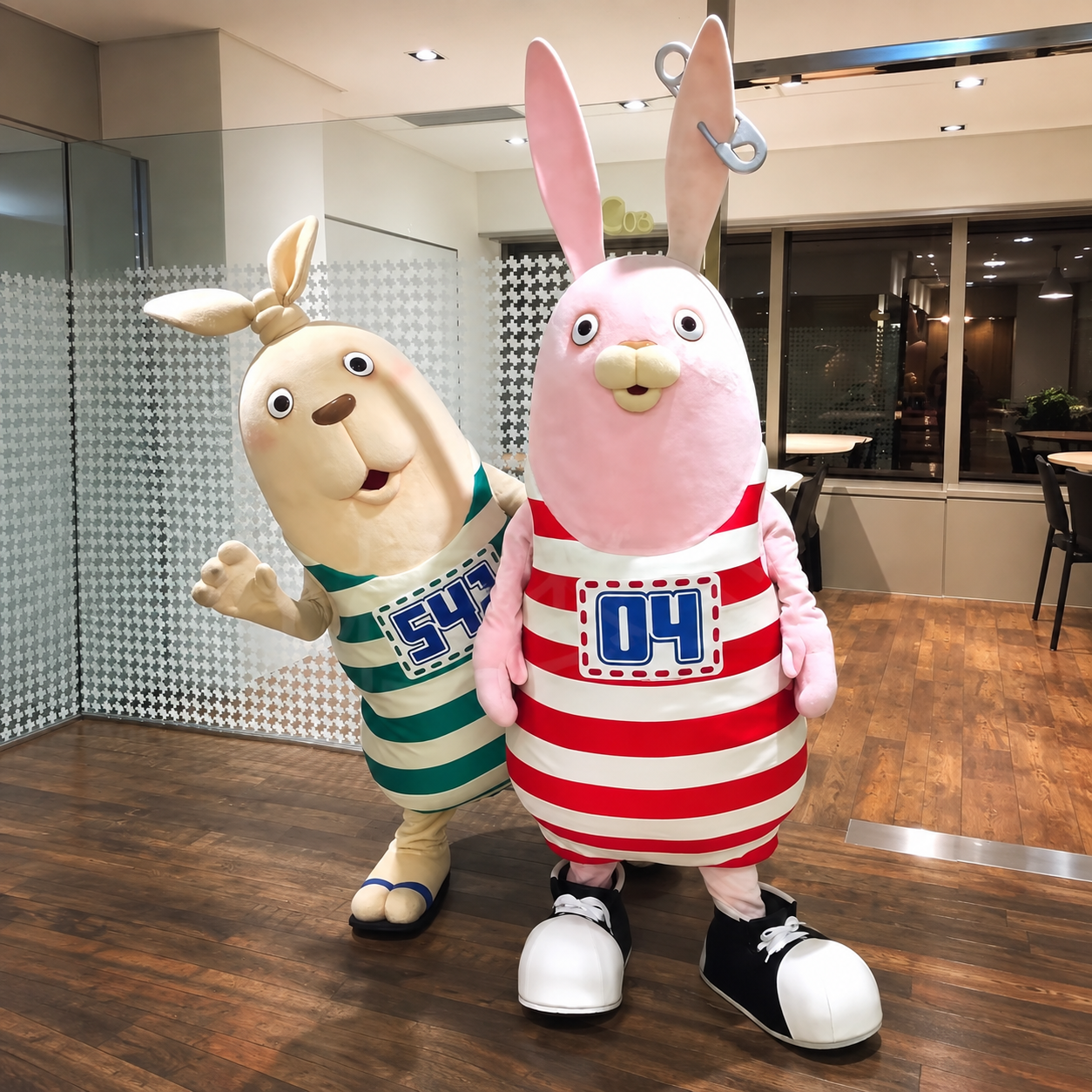
A successful mascot costume is not simply a larger version of a drawing.
When a character moves from a flat 2D design into a full-size wearable costume, proportions must often be adjusted so the character still looks recognizable, balanced, and expressive in real life.
This is especially important for mascots with oversized heads, large eyes, short limbs, exaggerated facial features, or unusual body shapes.
Good mascot design requires more than copying measurements. It requires understanding how people visually perceive the character from different distances and angles.
Why 2D Proportions Cannot Always Be Copied Directly
A mascot may originally exist as a logo, illustration, cartoon character, or digital rendering.
In a 2D image, proportions can be exaggerated without worrying about gravity, performer movement, visibility, or structural support.
A wearable mascot costume has different limitations.
The design must accommodate:
- A real performer
- Internal support structures
- Visibility openings
- Ventilation space
- Arm and leg movement
- Head balance
- Fabric thickness
- Foam thickness
Because of this, some proportions must be adjusted while keeping the overall identity of the character.
The goal is not to reproduce every measurement exactly. The goal is to preserve the visual impression of the original character.
The Silhouette Comes First
One of the strongest elements of mascot recognition is silhouette.
Even before people see the eyes, mouth, logo, or fabric details, they often recognize a character from its overall outline.
Important silhouette features may include:
- Head size
- Ear shape
- Horns
- Hair
- Tail
- Shoulder width
- Body shape
- Hand size
- Foot size
If these proportions are incorrect, the mascot may feel visually “wrong” even if the colors and facial details are accurate.
For this reason, professional mascot development often begins by checking the overall silhouette before refining small details.
Head-to-Body Ratio
The relationship between head size and body size has a major influence on character personality.
A larger head can make a mascot look:
Friendly
Cute
Young
Approachable
Cartoon-like
A smaller head may create a more realistic, athletic, or serious appearance.
However, increasing head size also affects:
Weight
Balance
Visibility
Wind resistance
Transportation
Performer movement
The ideal head size therefore needs to balance visual impact with practical wearability.
Facial Features Need Visual Adjustment
Eyes, eyebrows, mouths, noses, and cheeks are critical for character recognition.
But facial features that look correct on a small drawing may appear too small when enlarged to life size.
For example, eyes may need to be slightly larger or positioned differently so they remain expressive from several meters away.
The mouth also needs careful positioning because it may serve multiple purposes:
Character expression
Performer visibility
Ventilation
Internal structure
Professional mascot design often makes small adjustments to facial proportions so the character remains expressive without losing its original identity.
Viewing Distance Changes Perception
Mascots are rarely viewed only from close range.
They may appear at:
Sports events
School activities
Shopping malls
Trade shows
Outdoor promotions
Parades
Stage performances
At greater distances, small details become less visible.
This means large visual features become more important.
Strong color contrast, clear facial features, recognizable shapes, and exaggerated proportions can help the mascot remain identifiable from farther away.
A design that looks excellent from one meter away may lose much of its personality from twenty meters away.
This is why viewing distance should be considered during the design stage.
Performer Height Affects the Final Character
The same mascot design can look very different on performers of different heights.
For example, if a character is designed around a 170 cm performer but is worn by someone significantly taller, the body proportions may appear stretched.
If the performer is shorter, the costume may look compressed.
Important dimensions include:
Shoulder height
Torso length
Arm length
Leg length
Head position
Overall costume height
For professional custom mascot costumes, performer measurements help maintain the intended character proportions.
Hands and Feet Are Often Intentionally Oversized
Large mascot hands and feet are not only decorative.
They help strengthen the cartoon appearance of the character and improve visual balance.
Oversized hands make gestures easier to see from a distance.
Large feet help support the visual weight of an oversized head and body.
However, these parts must still allow the performer to:
Walk safely
Use stairs
Turn
Wave
Hold simple objects
Interact with people
The challenge is finding the right balance between visual exaggeration and practical movement.
Fabric Thickness Changes the Final Shape
Another factor that can affect proportions is the outer fabric.
Plush fabric, fleece, faux fur, and other materials have different thicknesses and surface textures.
Long-pile fur can make a mascot appear larger and softer.
Short plush can preserve sharper contours.
Stretch fabric may follow the internal structure more closely.
Therefore, the internal foam shape cannot always be treated as the final visible size.
The designer must consider how the fabric will change the appearance after it is applied.
Asymmetrical Characters Require Extra Planning
Some mascots are intentionally asymmetrical.
They may have:
One larger ear
A tilted hat
A side hairstyle
An extended arm or accessory
Different shapes on each side
These features can make the character more distinctive, but they may also affect balance.
Visual asymmetry and physical weight distribution need to be considered together.
A decorative element may look small in the design but become surprisingly heavy once built at full scale.
Prototype Testing Helps Identify Proportion Problems
Before final production, checking the mascot at full scale is extremely useful.
Designers can evaluate:
Overall silhouette
Head-to-body ratio
Eye position
Arm length
Foot size
Character height
Movement range
Photos and videos are especially useful because they reveal proportion problems that may not be obvious when looking at the costume from close range.
A small adjustment to head size, eye position, or body width can significantly improve the final appearance.
Recognition Is More Important Than Exact Measurement
In mascot design, exact mathematical scaling is not always the best solution.
What matters most is whether the final costume immediately communicates the intended character.
A successful mascot should remain recognizable:
From the front
From the side
While walking
While waving
While dancing
From close range
From a distance
This requires a balance between accurate design, visual exaggeration, performer ergonomics, and structural engineering.
Conclusion
Character proportion is one of the most important elements in custom mascot costume design.
A professional mascot costume should not simply enlarge a 2D image. It should translate the character into a wearable three-dimensional form while preserving its personality and recognition.
Head size, body width, facial features, hands, feet, performer height, fabric thickness, and viewing distance all influence the final result.
When these elements are carefully adjusted, the mascot looks more natural, more recognizable, and more effective in real-world performances.