
ALL POSTS
How Foam Density and Layering Affect Mascot Costume Shape, Comfort, and Durability
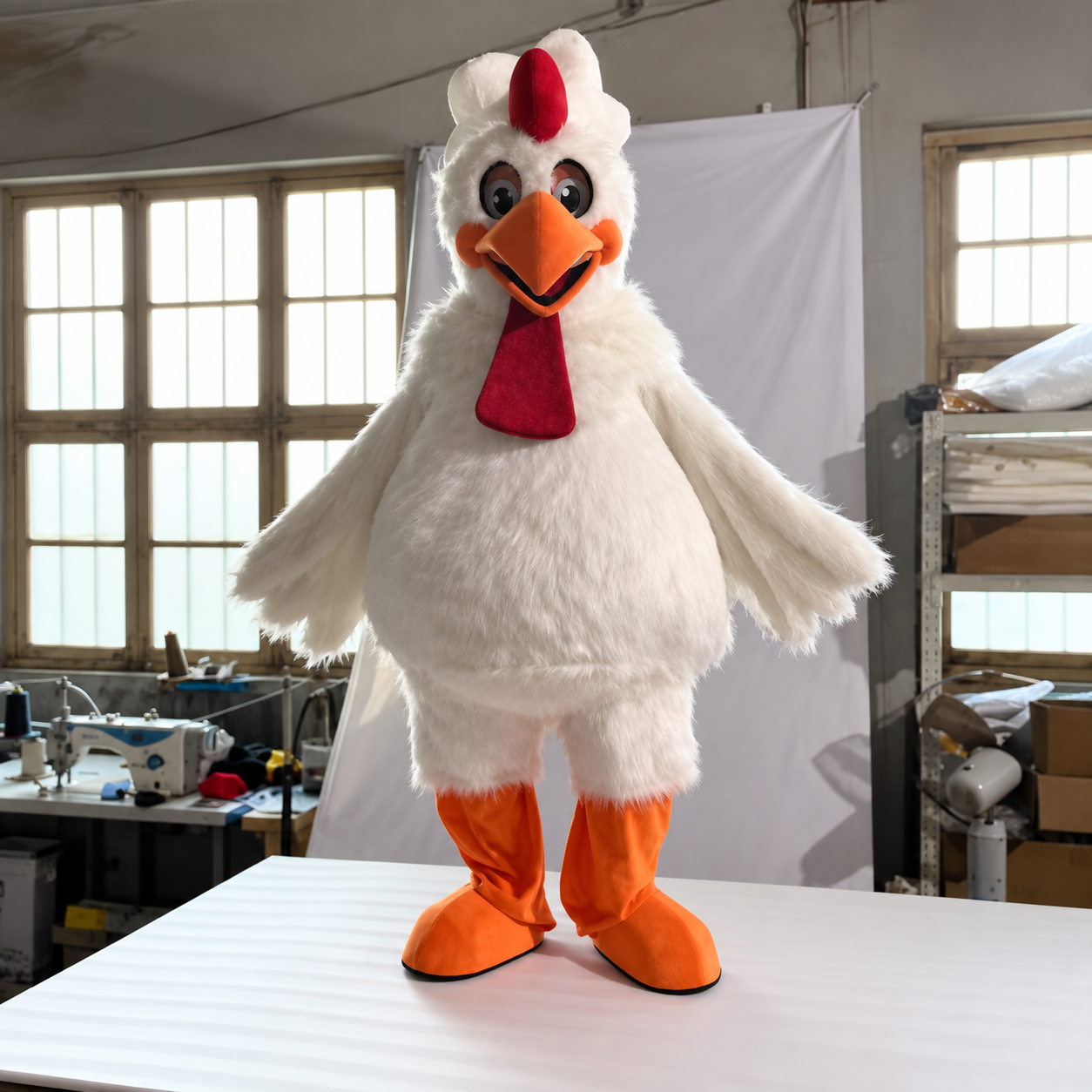
Foam is one of the most important structural materials used in custom mascot costumes. It helps create the shape of the head, body, facial features, hands, feet, and other three-dimensional parts of the character.
However, not all foam performs the same way.
The density, thickness, flexibility, and layering method of the foam can directly affect how accurately the costume holds its shape, how comfortable it feels to wear, and how well it performs after repeated use.
For professional mascot costume construction, selecting the right foam is not simply about choosing the softest or thickest material. Different areas of the costume require different structural properties.
Why Foam Density Matters
Foam density affects how much support the material can provide.
Higher-density foam generally offers stronger structural support and better shape retention. It is often used in areas that need to maintain a clear three-dimensional form.
Lower-density foam is softer and more flexible. It can be useful in areas where comfort, movement, or compression is more important.
If the foam is too soft, the costume may gradually lose its intended shape.
If it is too rigid, the costume may become uncomfortable, heavy, or difficult to move in.
This is why professional mascot construction often uses more than one type of foam within the same costume.
Different Areas Need Different Foam Properties
A mascot head and a mascot body have very different structural requirements.
The head usually needs enough stiffness to maintain:
Facial proportions
Eye position
Jaw shape
Nose structure
Ear placement
Overall silhouette
At the same time, the internal area touching the performer needs softer padding for comfort and fit.
The body usually requires greater flexibility because the performer needs to walk, bend, sit, turn, and interact with people.
For this reason, rigid structural foam may be suitable for certain head sections, while softer foam is often better for body shaping and internal padding.
Layered Foam Construction
Many mascot structures are not made from one thick piece of foam.
Instead, several layers may be combined to create the final shape.
Layering provides better control over:
Thickness
Curves
Surface transitions
Structural strength
Weight distribution
For example, the main head shell may use a stronger foam layer to create the basic structure.
Additional layers can then be added to build cheeks, eyebrows, noses, jawlines, or other character features.
This allows the maker to gradually sculpt the character rather than forcing the entire form from a single block.
Foam Sculpting and Shape Accuracy
Foam can be cut, carved, sanded, heated, bonded, and shaped depending on the material.
During the sculpting process, small changes in thickness can significantly affect the final appearance of the mascot.
This is especially important around:
Eyes
Mouths
Noses
Cheeks
Ears
Foreheads
If one side is slightly different from the other, the character may appear asymmetrical once the fabric is applied.
Professional construction therefore requires repeated checking of proportions during the foam shaping process.
Foam Compression During Wear
Foam behaves differently when the costume is being worn.
Some areas are repeatedly compressed by:
Head movement
Shoulder movement
Elbow bending
Knee bending
Sitting
Storage and transportation
If the foam cannot recover its original shape after compression, dents and deformation may gradually appear.
High-resilience foam is particularly useful in areas that need to recover after repeated pressure.
This helps the costume maintain a more consistent appearance over time.
Comfort Depends on More Than Softness
A softer foam is not always more comfortable.
If internal padding is too soft, the mascot head may move excessively during performance.
The performer may then need to constantly adjust the costume, which can increase fatigue.
Proper padding should provide enough cushioning while still holding the head securely in the correct position.
The best internal fit usually combines:
Comfortable contact surfaces
Stable support
Controlled compression
Adequate ventilation space
The goal is not maximum softness, but stable comfort.
Foam and Ventilation
Foam placement also affects airflow inside a mascot costume.
Large solid foam sections can restrict ventilation if they block the natural path of air around the performer’s head and body.
During construction, designers should consider where ventilation channels or open spaces can be maintained.
In some designs, strategic gaps between structural foam sections can help improve internal airflow without weakening the overall structure.
This is especially important for costumes used in warm environments or long performances.
Weight Control
Adding more foam can increase structural strength, but unnecessary material also increases weight.
A well-designed mascot costume uses foam only where it provides a clear structural benefit.
Unnecessary thickness may make the costume:
Heavier
Hotter
Less flexible
More difficult to transport
Professional construction therefore focuses on achieving the required shape with efficient material use.
Good engineering is often about removing unnecessary material while maintaining strength.
Durability at Stress Points
Certain areas of a mascot costume experience more stress than others.
Common stress points include:
The base of large ears
The connection between head and neck
Jaw areas
Shoulders
Elbows
Knees
Foot openings
Large decorative attachments
These areas may require reinforcement or additional foam support.
Without reinforcement, repeated bending or movement may gradually cause the structure to weaken.
Layered foam, internal support pieces, fabric reinforcement, or flexible connection methods can all help improve durability.
Storage Can Affect Foam Shape
Even well-constructed foam structures can deform if stored incorrectly.
Heavy objects placed on top of a mascot head may compress the foam.
Long-term storage in a tightly packed box can also create permanent dents or distorted shapes.
For this reason, mascot costumes should ideally be stored in a way that avoids unnecessary pressure on structural foam areas.
Proper storage helps maintain the original shape and extends the usable life of the costume.
Choosing the Right Foam for a Custom Mascot
Foam selection should be based on the actual function of each part of the costume.
Important factors include:
Required structural strength
Required flexibility
Expected movement
Performer comfort
Weight limitations
Ventilation requirements
Long-term durability
A professional mascot costume may use several foam types and densities within one design.
This allows different sections to perform their specific functions while working together as a complete structure.
Conclusion
Foam density and layering have a major influence on mascot costume quality.
The right combination of structural foam, flexible foam, internal padding, and reinforcement can improve shape accuracy, comfort, movement, and durability.
Good mascot construction is not about using the most foam possible. It is about using the correct foam in the correct place.
When foam density, thickness, layering, and compression are carefully considered during the design process, the finished mascot costume can maintain its appearance while remaining comfortable and practical for real-world performance.