
ALL POSTS
How Head Balance and Center of Gravity Affect Mascot Costume Performance
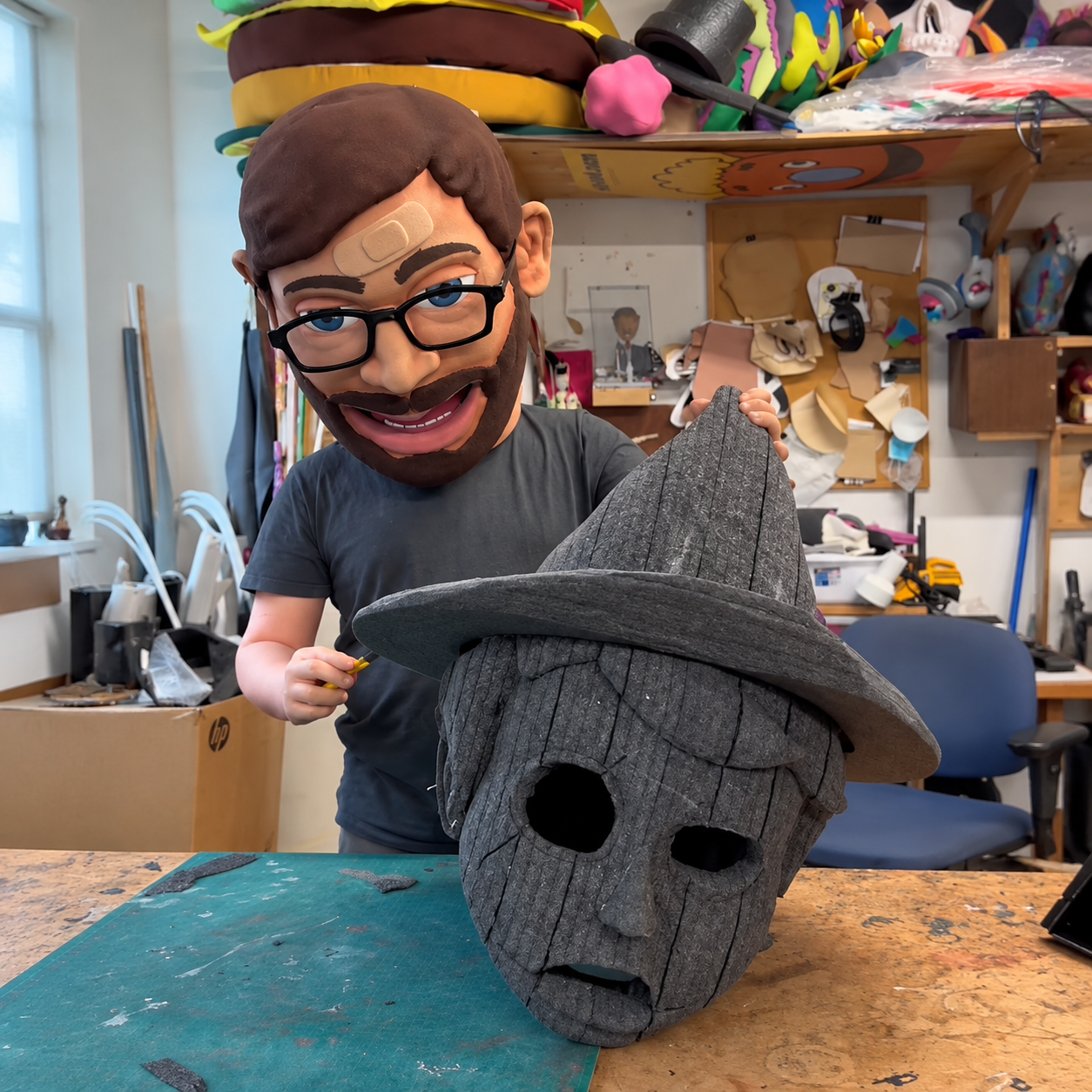
A mascot costume may look simple from the outside, but the way its weight is distributed—especially around the head—has a major effect on comfort, movement, visibility, and performer control.
For large custom mascot costumes, good head balance is not only about reducing weight. It is about controlling the center of gravity so the costume remains stable during walking, turning, dancing, and long events.
Why Head Balance Matters
The mascot head is often one of the largest parts of the costume. It may include foam structures, fabric, mesh, internal support systems, decorative parts, horns, ears, hair, or other character features.
If too much weight is concentrated toward the front, back, or one side, the performer may need to constantly compensate with their neck and upper body.
Poor balance can lead to:
- Faster performer fatigue
- Unstable head movement
- Reduced visibility
- Difficulty turning quickly
- Extra pressure on the neck and shoulders
- Less natural character movement
A well-balanced mascot head should remain stable without requiring the performer to constantly hold it in position.
Center of Gravity in Mascot Head Design
The center of gravity is the point where the weight of the mascot head is effectively balanced.
Ideally, this point should remain close to the performer’s natural head and upper-body centerline.
For example, a mascot with a long nose, large beak, or extended face may naturally place more weight toward the front. In this case, the internal structure must be adjusted to prevent the entire head from pulling forward.
The same applies to characters with:
- Large ears
- Horns
- Long hair
- Oversized hats
- Large rear structures
- Asymmetrical decorations
During design, these features should be considered as part of the complete weight distribution system rather than added only for appearance.
Internal Support Helps Control Weight
The internal head support system plays an important role in stability.
Depending on the mascot design, support may include:
- Adjustable head straps
- Foam padding
- Internal helmet structures
- Chin supports
- Shoulder support systems
- Elastic straps
- EVA or lightweight structural components
The goal is to distribute pressure across a larger area instead of concentrating the entire load on one point.
For heavier mascot heads, shoulder-supported structures can help transfer part of the weight away from the performer’s neck.
Lightweight Materials Are Not Enough
Using lightweight materials is important, but lightweight does not automatically mean comfortable.
A very light mascot head can still feel uncomfortable if its weight is poorly positioned.
For example, a lightweight structure with a large forward extension may create more neck strain than a slightly heavier but properly balanced head.
This is why professional mascot design should consider both:
Weight reduction
and
Weight distribution
Both factors work together.
Balance Affects Movement Quality
A balanced mascot costume allows the performer to move more naturally.
When the head remains stable, performers can:
- Turn more confidently
- Walk with better posture
- Dance more freely
- Interact with audiences more naturally
- Perform for longer periods
This is especially important for sports mascots, school mascots, event characters, and promotional mascots that require frequent movement.
Poor balance often makes the performer move cautiously, which can reduce the energy and personality of the character.
Visibility and Balance Are Connected
Head balance can also affect visibility.
If the mascot head shifts forward, backward, or sideways during movement, the performer’s eye position may no longer align correctly with the viewing mesh.
This can create blind spots or force the performer to constantly adjust the head.
A stable internal structure helps keep the performer’s eyes consistently aligned with the intended viewing area.
For this reason, visibility should be tested together with balance during fitting and final costume testing.
Performer Size Should Be Considered
A mascot costume should be designed around the intended performer size whenever possible.
Different performers may have different:
- Head sizes
- Shoulder widths
- Heights
- Neck lengths
- Body proportions
An internal support system that fits one performer perfectly may not fit another in the same way.
Adjustable straps, removable padding, and flexible internal supports can help accommodate multiple performers while maintaining good balance.
Testing Before Final Delivery
Before a custom mascot costume is completed, movement testing is an important step.
The performer should test:
Walking
Turning
Looking up and down
Bending
Dancing
Standing for extended periods
During testing, the manufacturer can identify whether the head shifts excessively or creates pressure in certain areas.
Small adjustments to padding, straps, internal supports, or structural components can significantly improve the final wearing experience.
Conclusion
Good mascot costume performance depends on more than appearance.
Head balance and center of gravity directly influence comfort, stability, visibility, movement, and performer endurance.
A professional mascot costume should combine lightweight materials with carefully designed internal support and balanced weight distribution.
When these elements are properly engineered, the mascot becomes easier to control, more comfortable to wear, and more natural during real-world performances.