
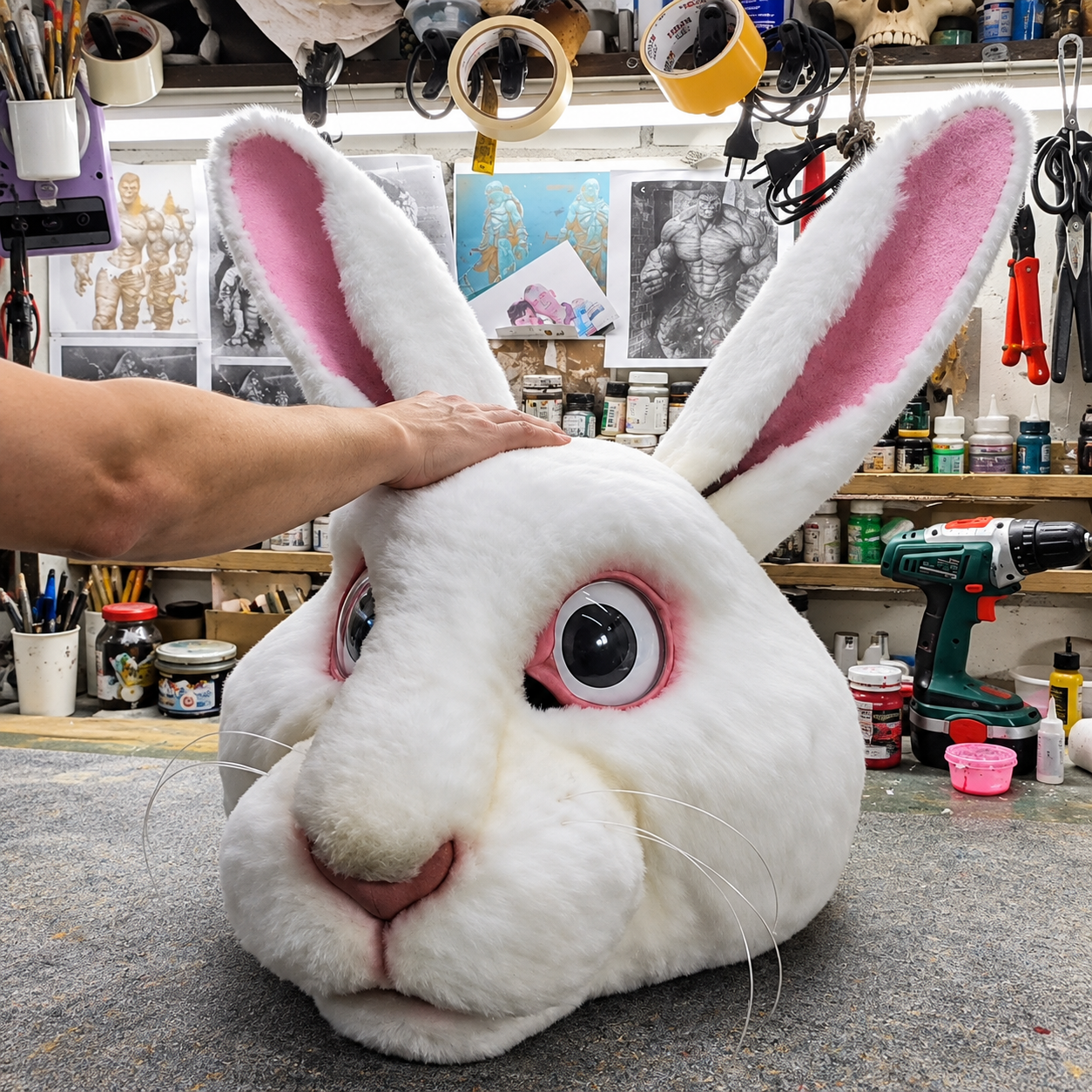
A mascot costume may look simple from the outside, but the internal structure plays a major role in how the costume performs. A well-designed structure affects much more than appearance. It influences comfort, movement, visibility, ventilation, durability, and even how long a performer can wear the costume during an event.
Understanding these structural elements can help brands, schools, sports teams, and event organizers choose a mascot costume that is not only visually appealing, but also practical for real use.
1. Head Structure and Weight Distribution
The mascot head is often the largest and most noticeable part of the costume. Because of its size, weight distribution is especially important.
A poorly balanced head may put too much pressure on the neck or shoulders, causing discomfort after only a short period of use. A better design spreads the weight more evenly through internal support systems.
Common structural materials include high-resilience foam, EVA foam, and carved foam. Different materials create different levels of firmness, shape retention, and weight.
The goal is to keep the head stable while avoiding unnecessary weight.
2. Internal Support and Stability
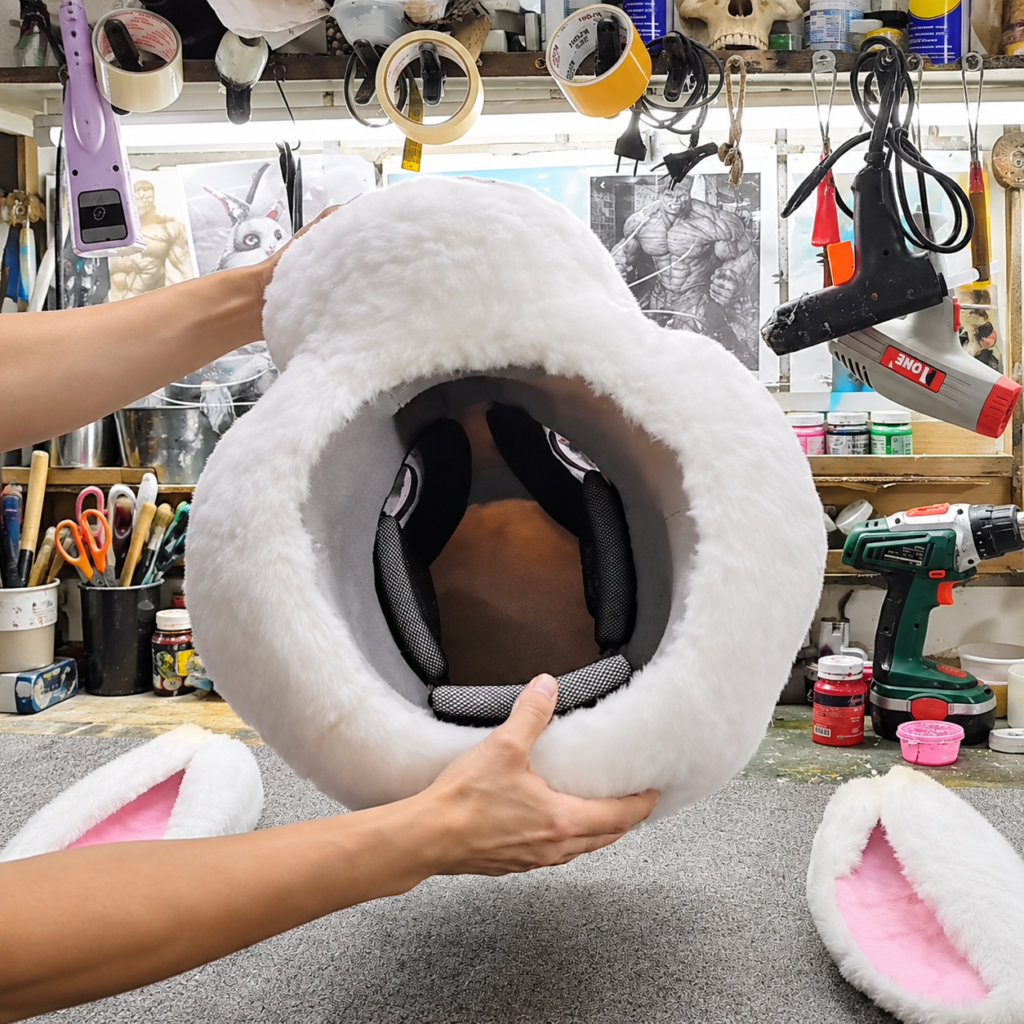
Inside the mascot head, support components help keep the costume in the correct position while the performer moves.
Depending on the design, the structure may include:
- Foam padding
- EVA support panels
- Internal straps
- Elastic bands
- Plastic sheets
- Lightweight support frames
These parts help reduce unwanted movement and prevent the head from shifting during walking, dancing, or performing.
A stable internal structure also improves visibility because the eye openings remain aligned with the performer’s line of sight.
3. Visibility and Performer Safety
Visibility is one of the most important parts of mascot costume design.
Many mascot heads use hidden vision areas made from mesh fabric. These areas may be placed in the eyes, mouth, neck, or other parts of the design.
The location of the vision opening should allow the performer to see clearly without affecting the appearance of the mascot.
Poor visibility can make it difficult to:
- Walk through crowded areas
- Use stairs
- Interact with children
- Perform on stage
- Participate in sports events
- Move safely around obstacles
Good structural planning balances appearance with practical visibility.
4. Ventilation and Cooling
Mascot costumes naturally become warm because they cover most or all of the performer’s body.
For this reason, ventilation is closely connected to comfort.
Ventilation may be improved through:
- Breathable mesh sections
- Internal air channels
- Lightweight foam materials
- Built-in cooling fans
- Openings around the neck or head
Some larger mascot heads include small internal fans to improve airflow.
However, ventilation should be designed carefully so that cooling features do not interfere with the shape or strength of the costume.
5. Body Structure and Freedom of Movement
The body of a mascot costume needs enough structure to maintain its shape, but it must also allow the performer to move naturally.
Different costumes require different internal construction.
For example, a large round food mascot may need thicker foam to maintain its shape, while a human-style mascot may use softer fabric and lighter padding to provide better flexibility.
Good body structure should allow the performer to:
- Walk comfortably
- Raise the arms
- Turn the body
- Sit or bend when required
- Perform basic dance movements
If the structure is too rigid, movement becomes difficult. If it is too soft, the costume may lose its intended shape.
6. Joint Positioning
The position of the shoulders, elbows, knees, and other joints has a direct effect on how natural the costume feels.
When costume joints are positioned close to the performer’s natural body joints, movement becomes easier.
Poorly positioned joints can make the arms or legs feel restrictive and may cause the costume to pull in the wrong direction.
This is especially important for mascots used in:
- Sporting events
- School performances
- Parades
- Brand promotions
- Dance performances
A costume designed for active movement requires more attention to joint placement than a costume used mainly for photo opportunities.
7. Footwear Structure
Mascot feet are another important structural area.
Large mascot shoes need to look proportional to the character, but they also need to remain stable and safe.
Internal footwear may use:
- EVA foam
- High-density foam
- Lightweight plastic support
- Fabric lining
- Non-slip soles
The internal shoe should fit securely around the performer’s foot.
If the mascot feet are too loose or too heavy, they may increase the risk of tripping.
8. Material Choice and Durability
The structure of a mascot costume also determines how long it can be used.
Different materials respond differently to repeated movement, compression, moisture, and transportation.
For example:
High-resilience foam is lightweight and flexible, making it suitable for larger body shapes.
EVA foam provides stronger support and is often used in areas that require a more defined shape.
Carved foam allows detailed three-dimensional structures but may require more careful handling.
The durability of the costume depends on how these materials are combined.
A strong costume does not simply use thicker materials. It uses the correct material in the correct area.
9. Structure and Long-Term Comfort
Comfort becomes especially important during longer events.
A mascot costume may be worn for 30 minutes, one hour, or several hours with breaks.
Small structural details can make a major difference over time.
Examples include:
- Soft padding around pressure points
- Smooth internal seams
- Proper shoulder support
- Balanced head weight
- Enough internal space
- Good ventilation
These details may not be visible from the outside, but they strongly affect the performer’s experience.
10. Different Uses Require Different Structures
There is no single structure that works for every mascot costume.
A school mascot used during sports games may need better ventilation and flexibility.
A promotional mascot used at trade shows may focus more on appearance and standing comfort.
A parade mascot may require lightweight materials because of longer walking distances.
A highly detailed character costume may need stronger internal shaping to maintain its appearance.
This is why mascot costume structure should be selected based on the actual use of the costume.
Conclusion
The internal structure of a mascot costume affects far more than its appearance.
It influences:
- Comfort
- Visibility
- Safety
- Movement
- Ventilation
- Durability
- Overall performance
A successful mascot costume needs to balance all of these factors.
The best structure is not necessarily the most complex one. It is the structure that matches the character design, the performer, and the environment in which the mascot will be used.